









What the day actually is
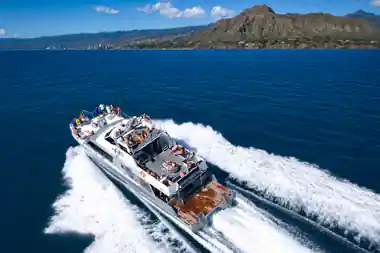
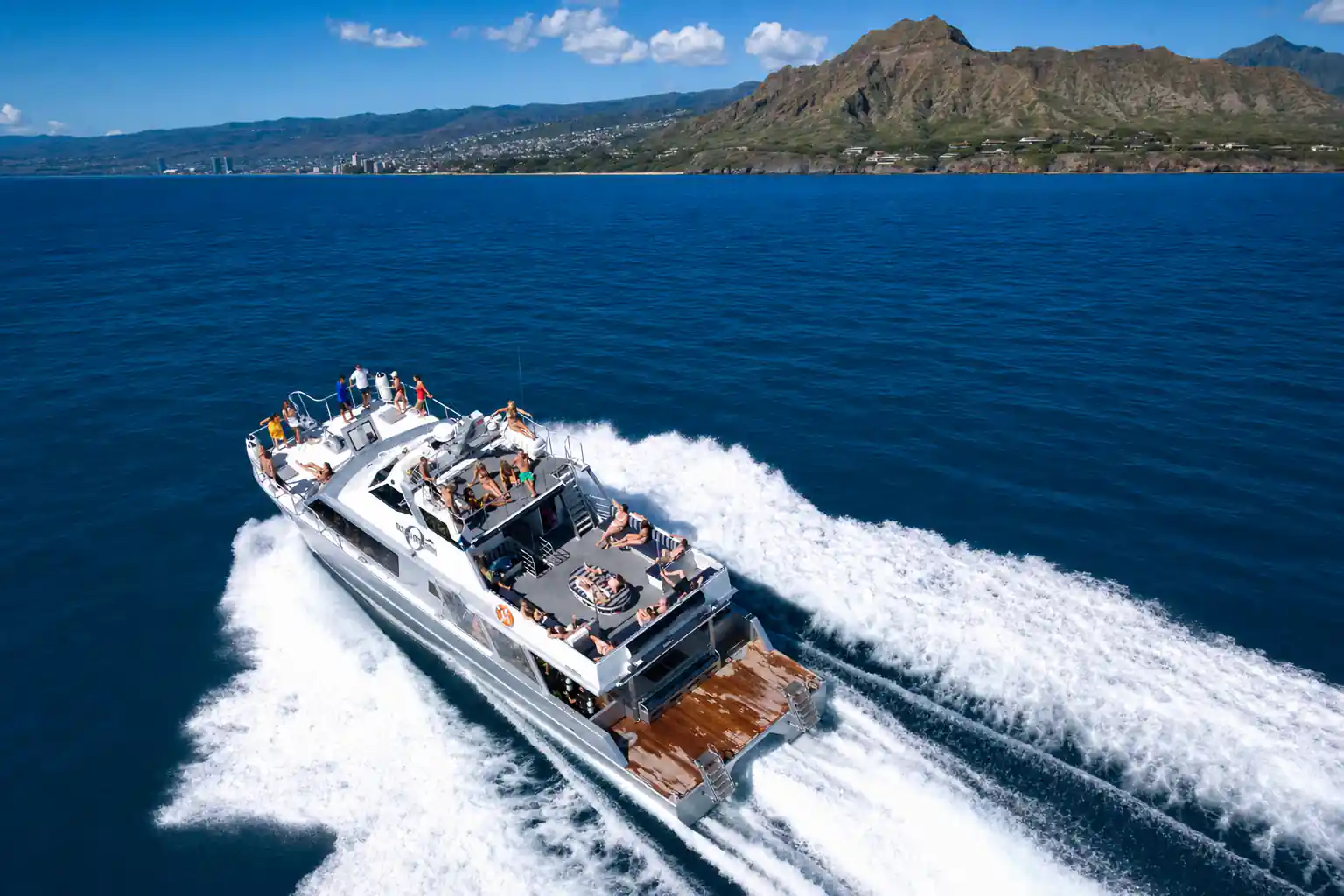
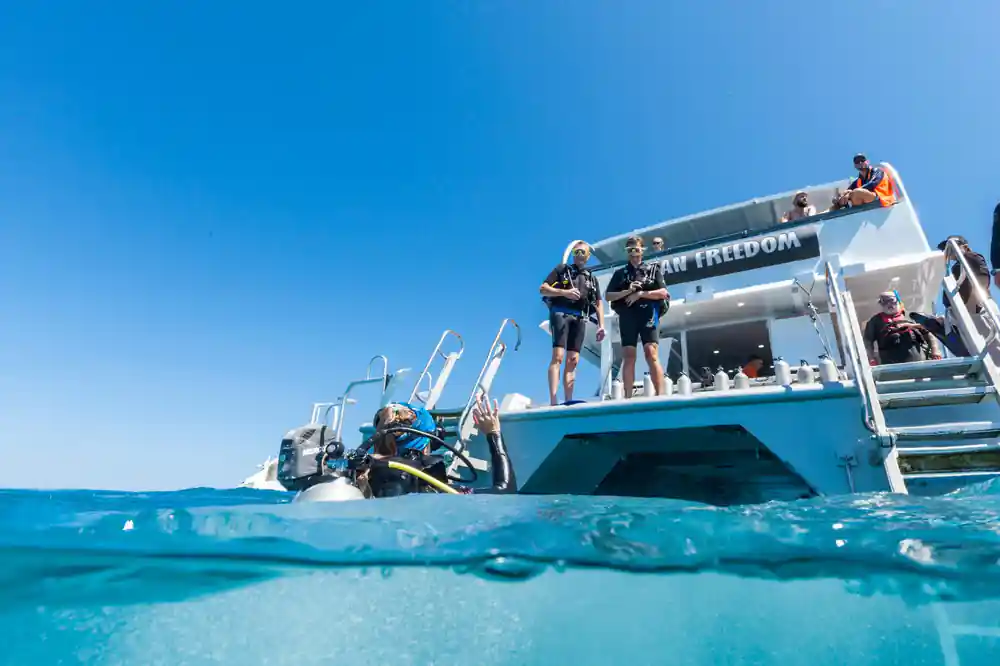
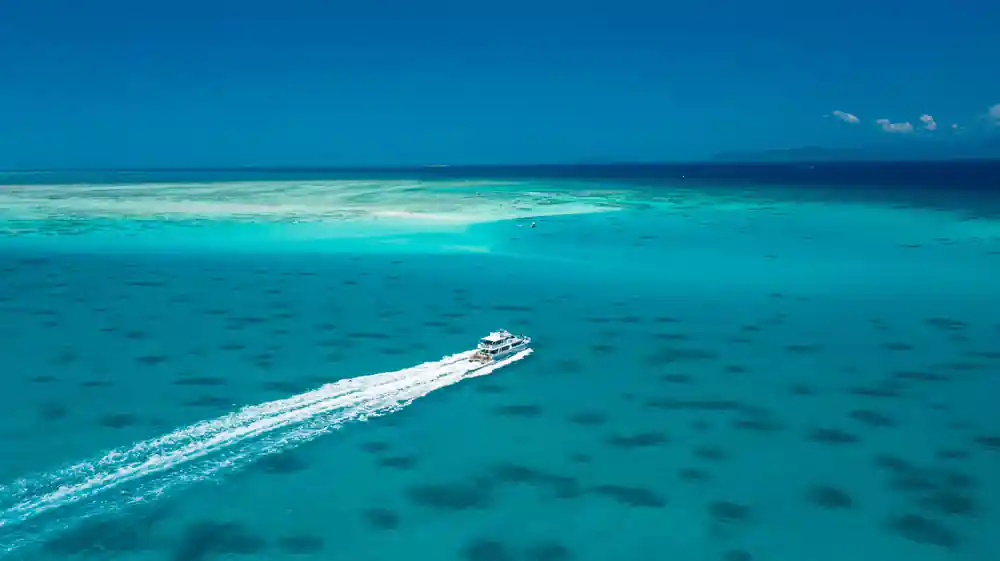
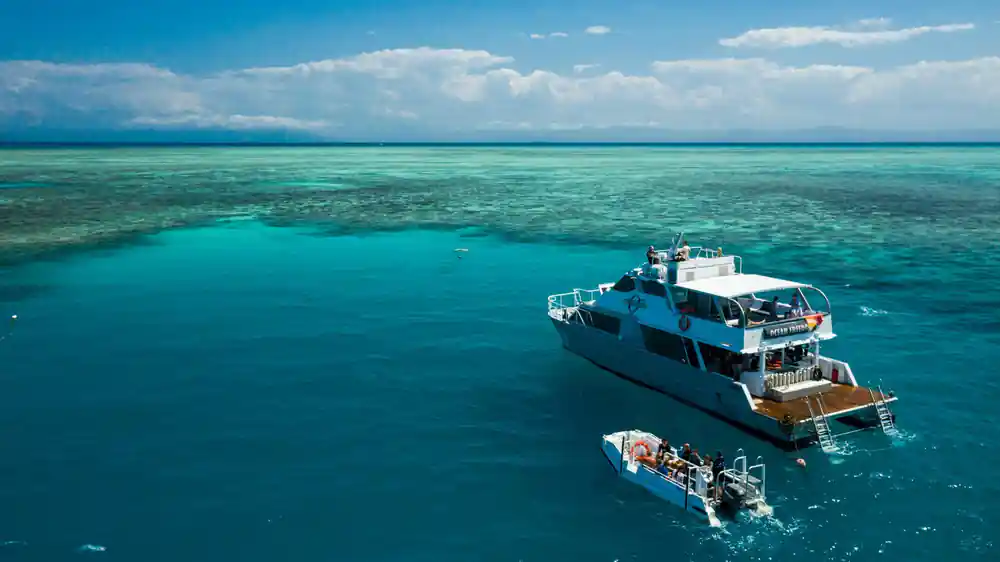
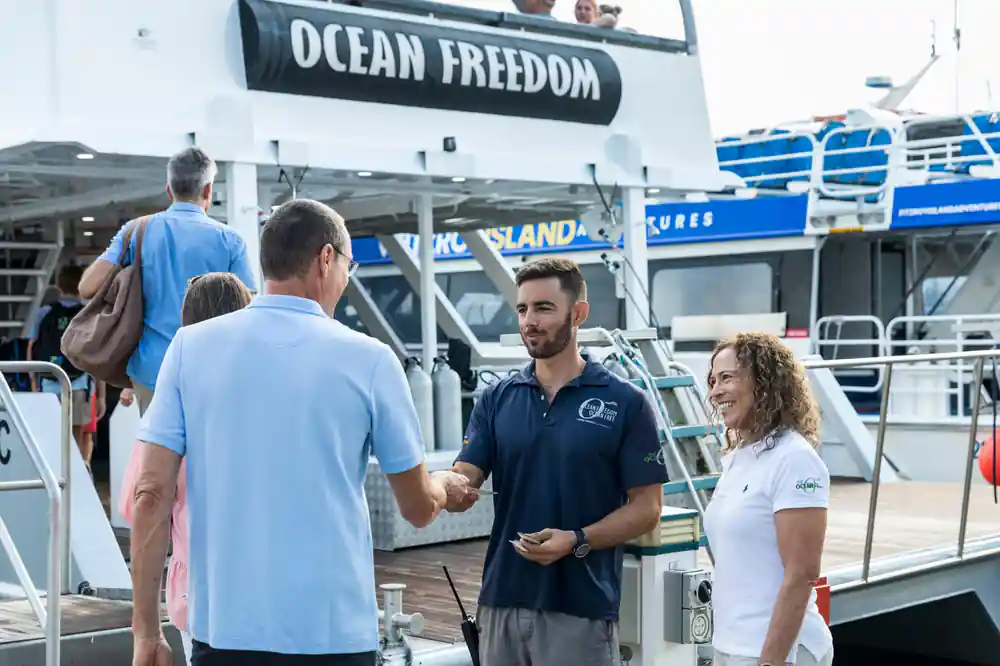
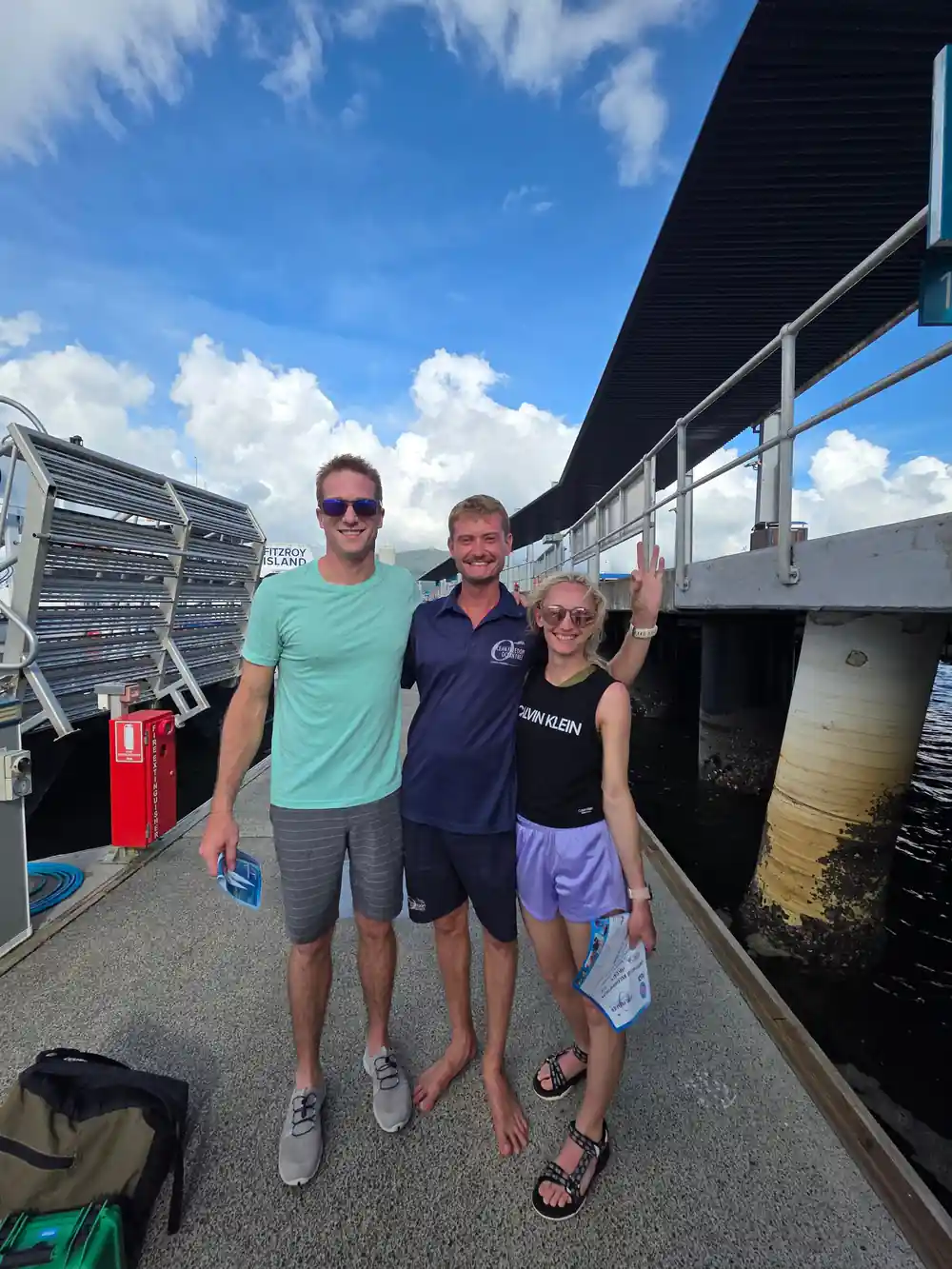
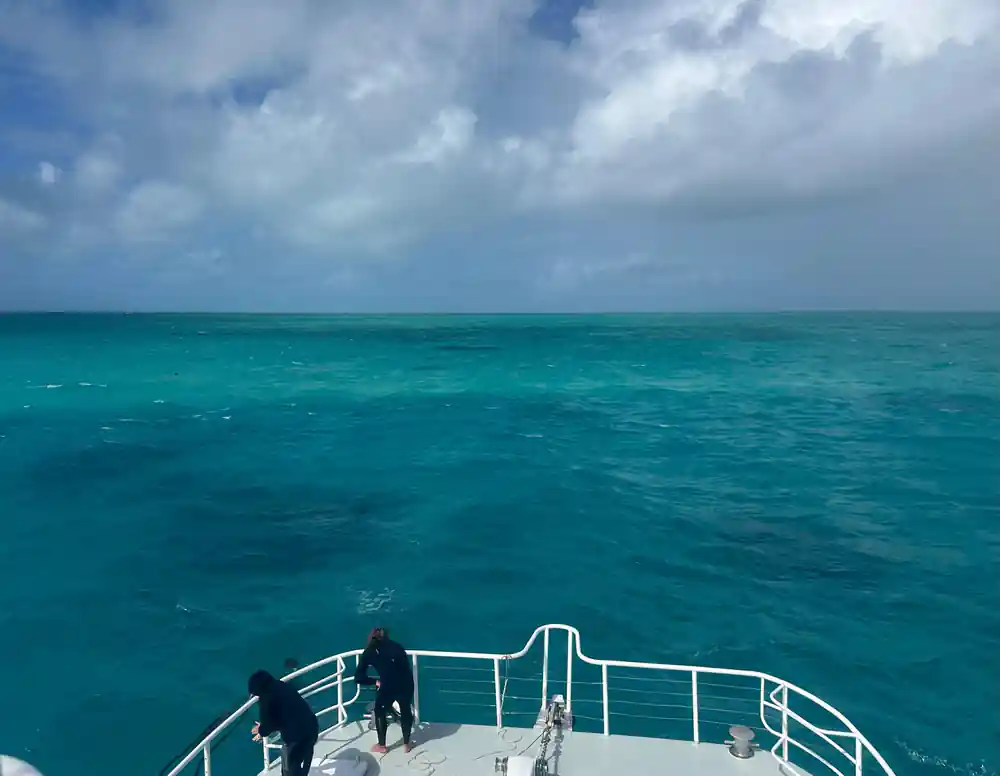
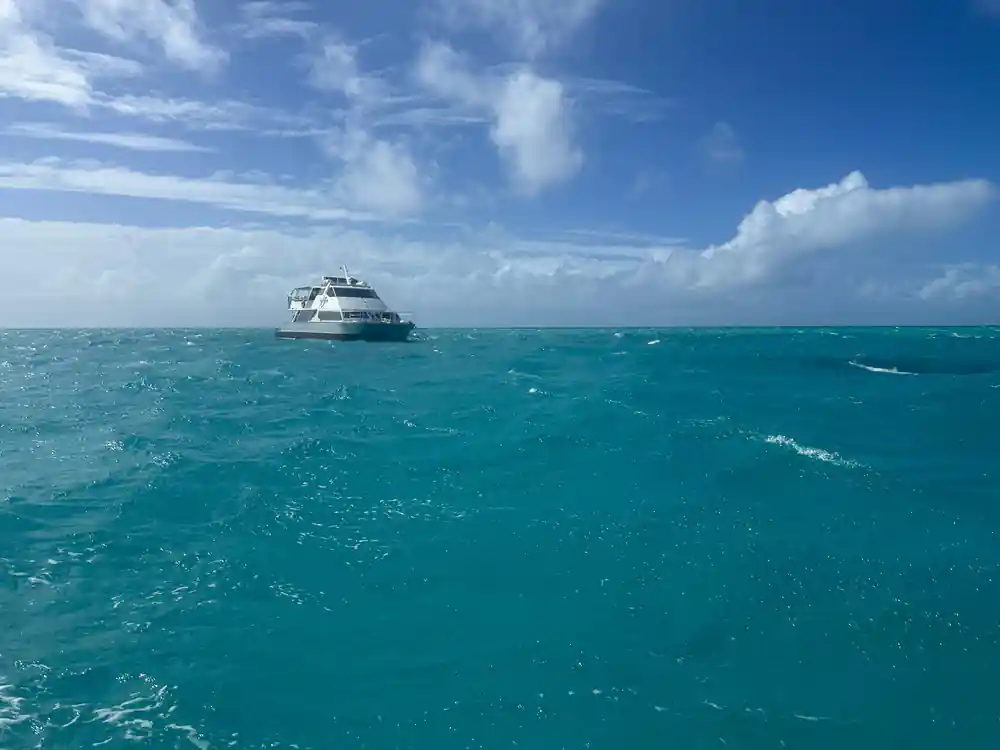
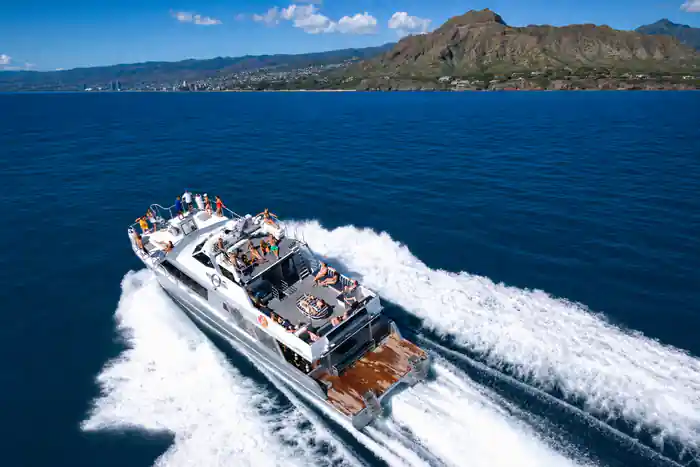
Check-in is at the Ocean Freedom desk at the Reef Fleet Terminal in Cairns, and it needs to happen at least forty-five minutes before the boat leaves. From the terminal it is a short walk to a twenty metre catamaran, described by the operator as fast, which is the boat for the whole day.
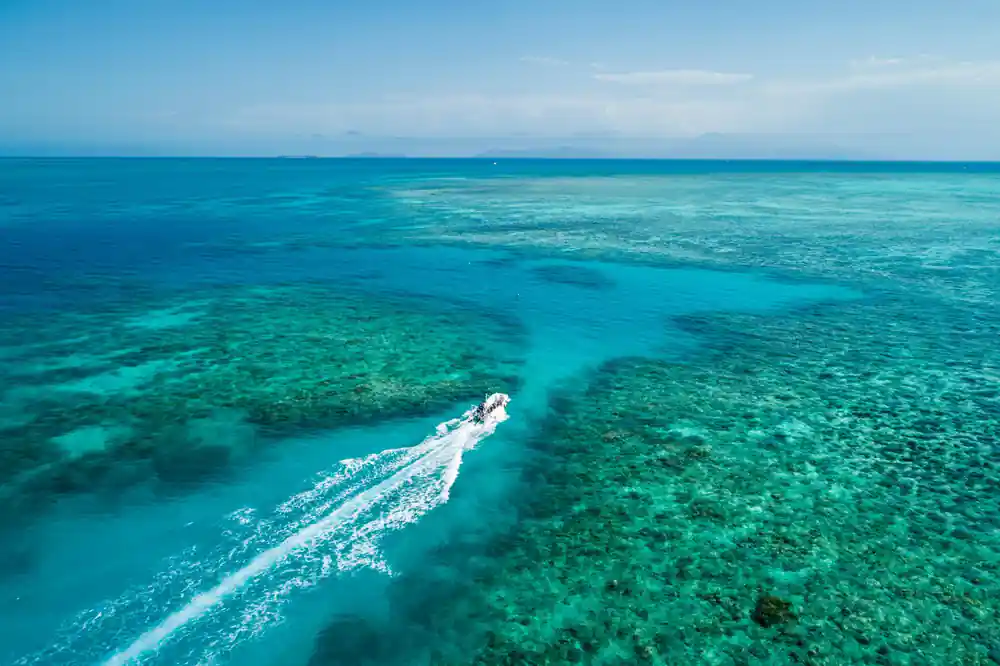
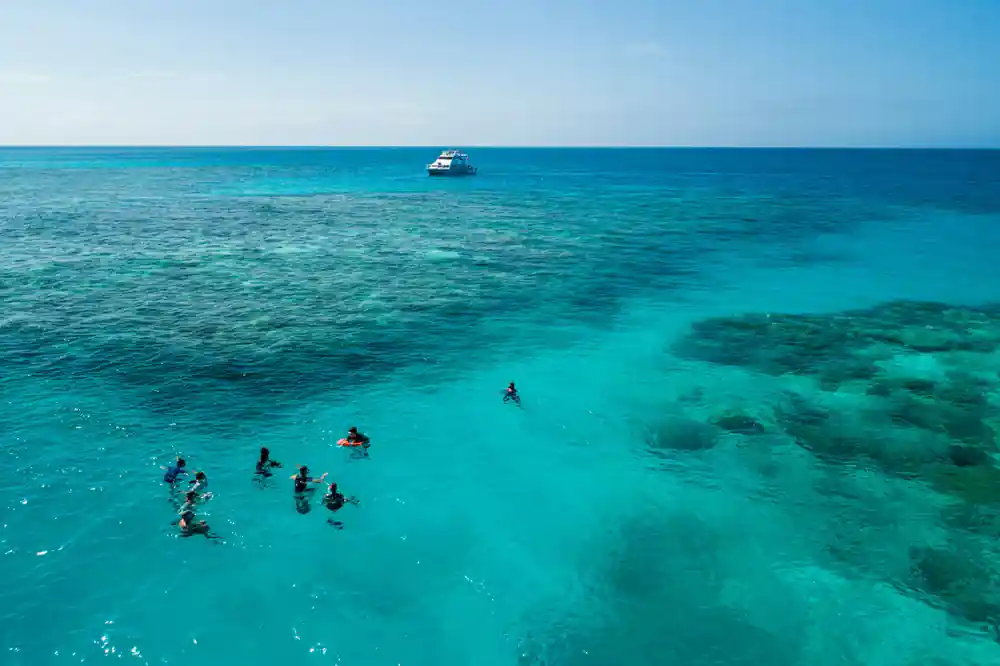
The crossing out to Upolu Reef takes seventy-five minutes, and the reef itself then gets six hours: a guided drift snorkel and a glass bottom boat tour across two named sites, plus Upolu Cay, a sand cay nearby. Lunch is served aboard partway through, and the same seventy-five minute crossing brings the boat home, for eight and a half hours port to port.
Two sites, one reef, and a sand cay
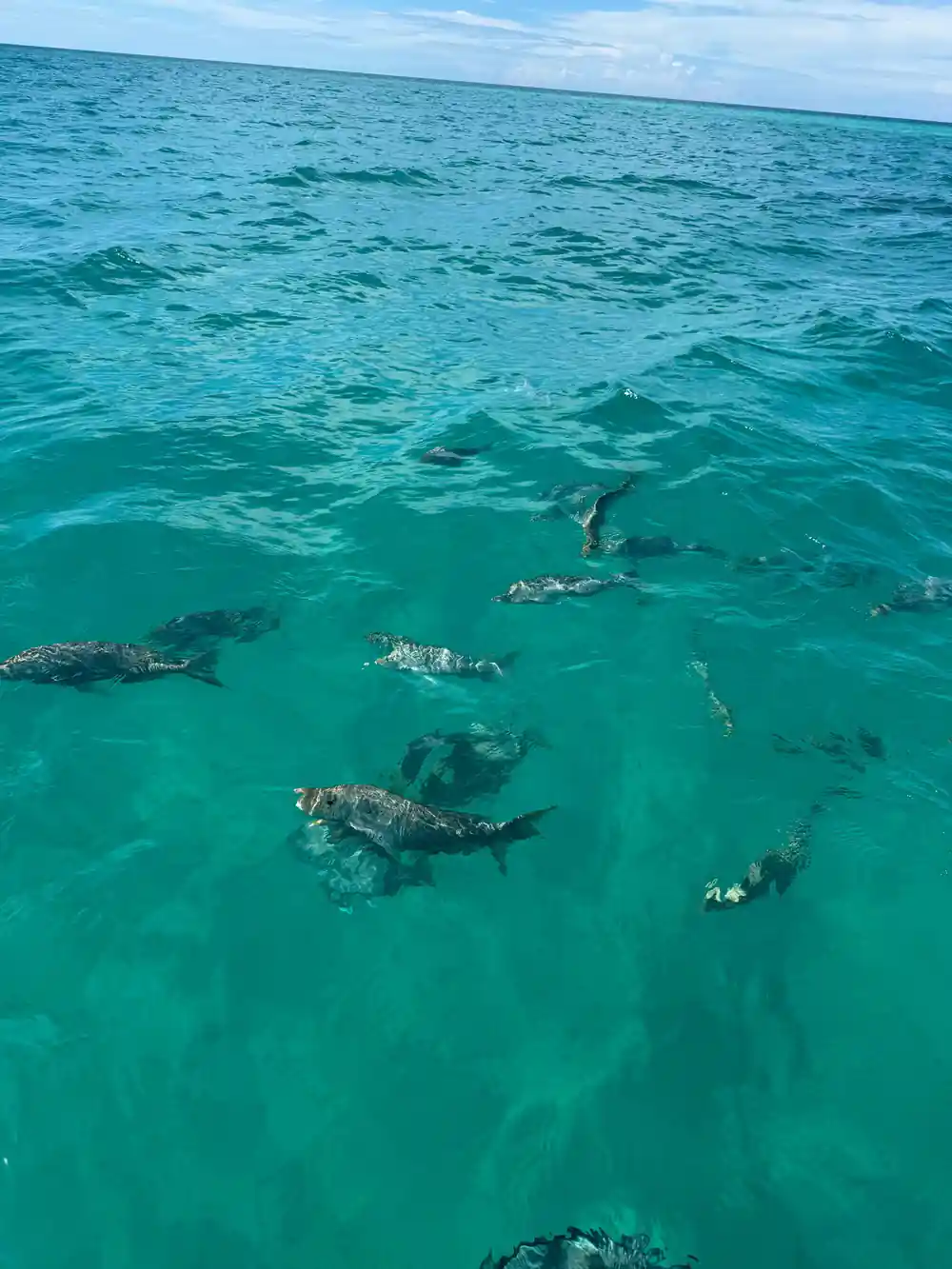
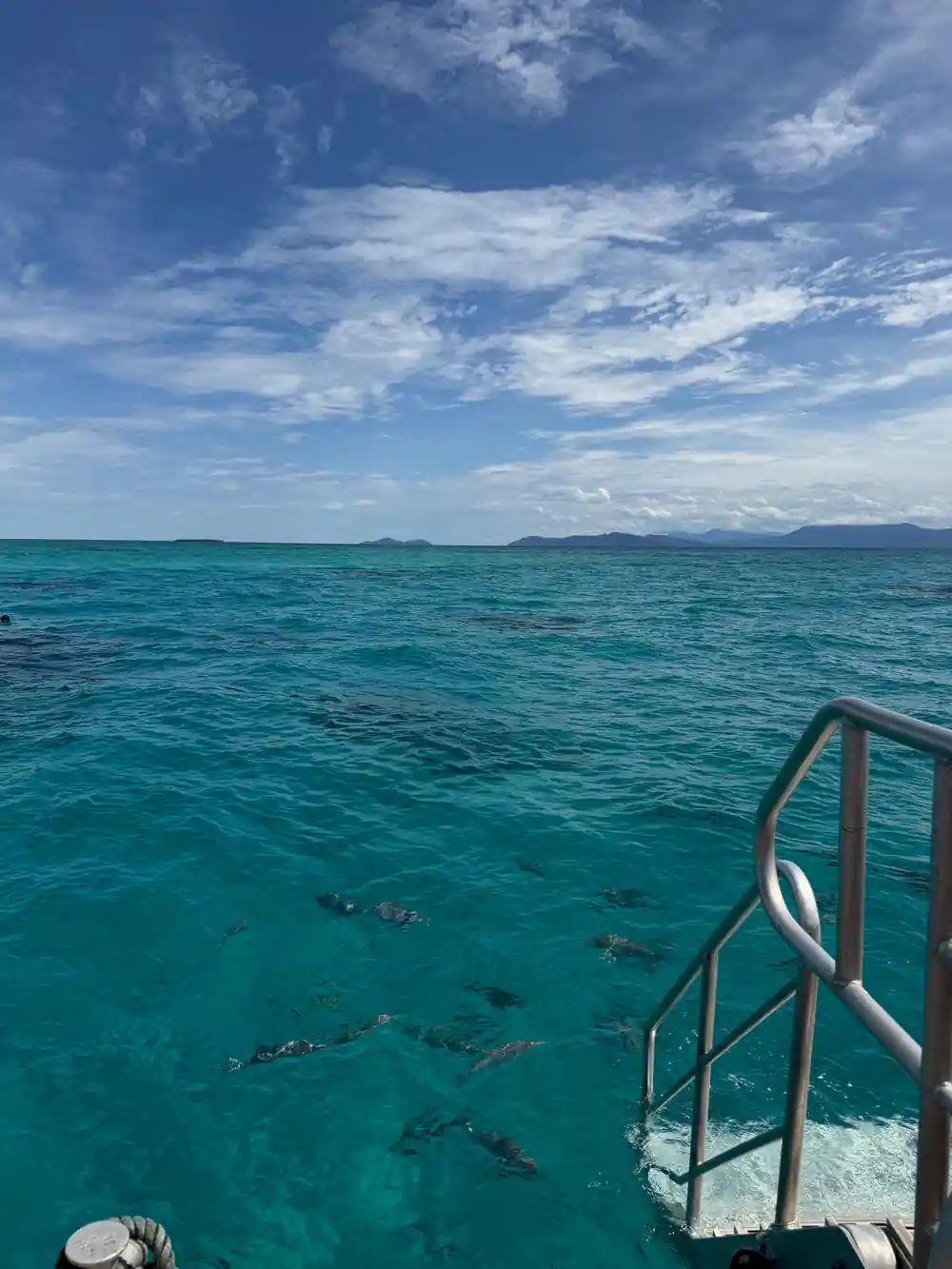
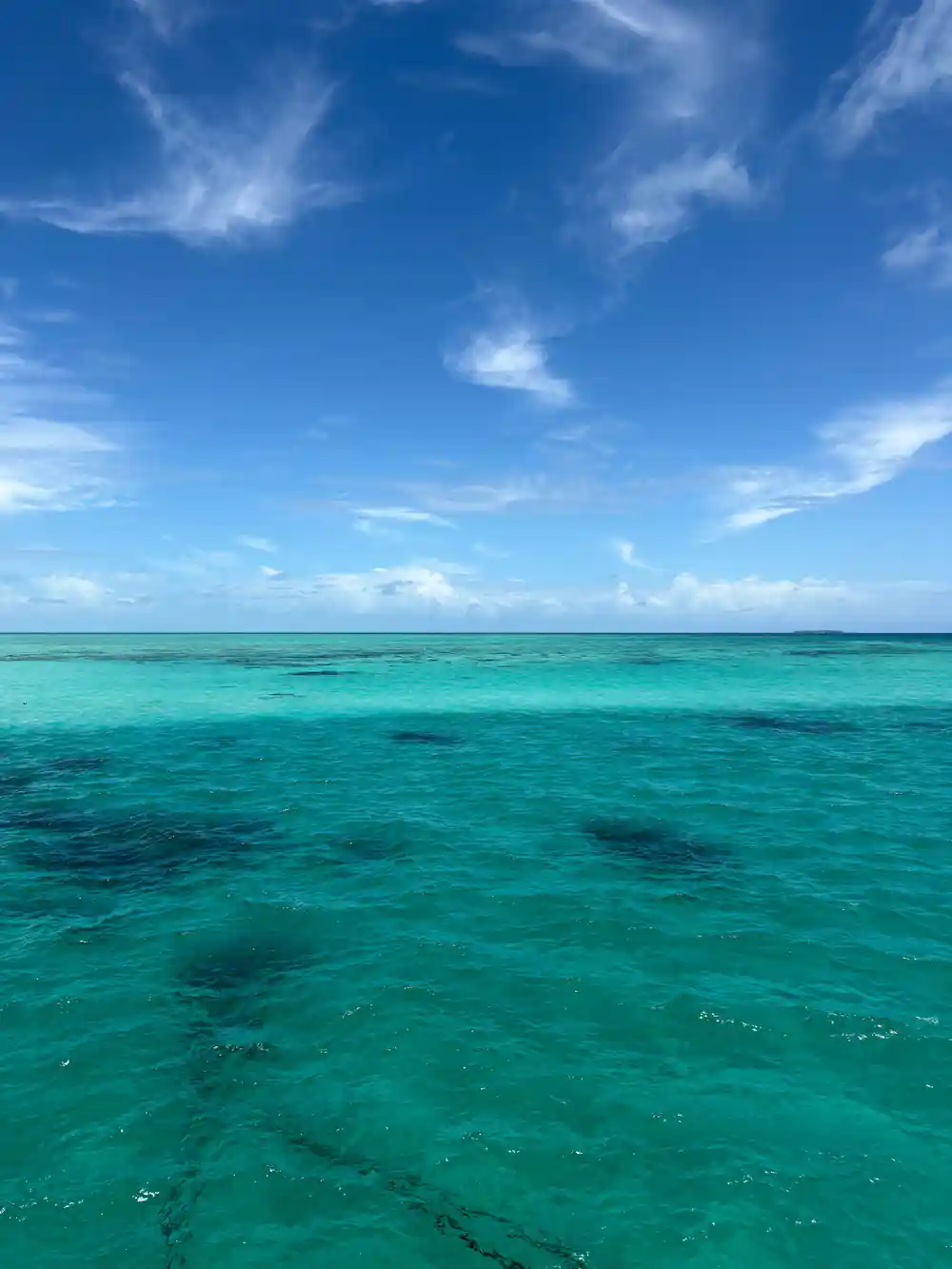
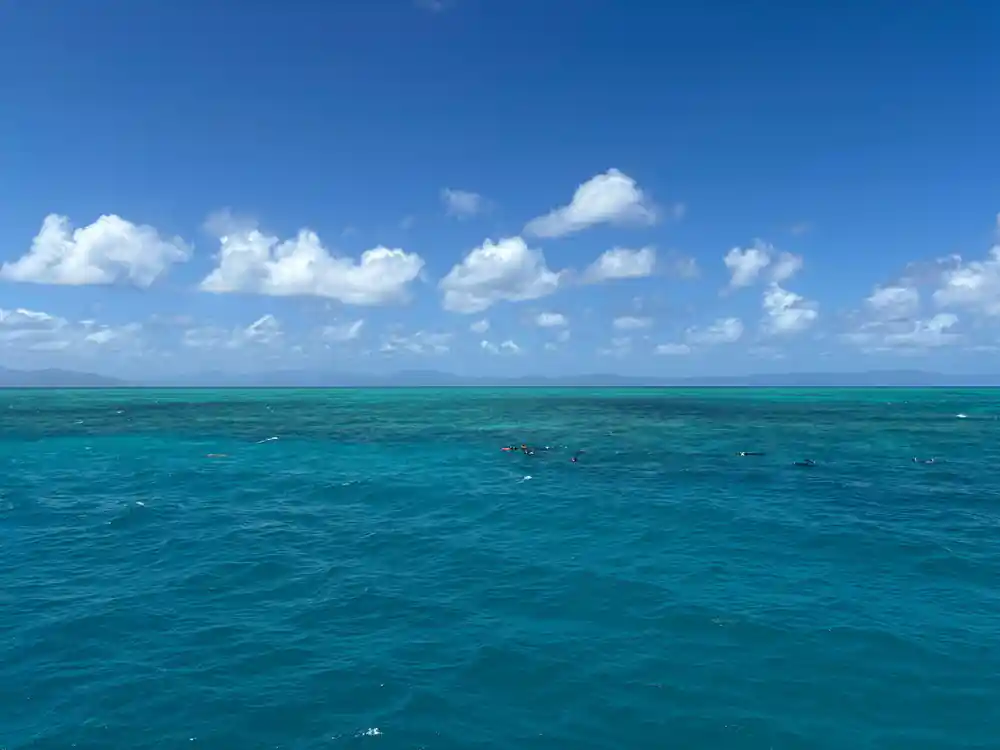
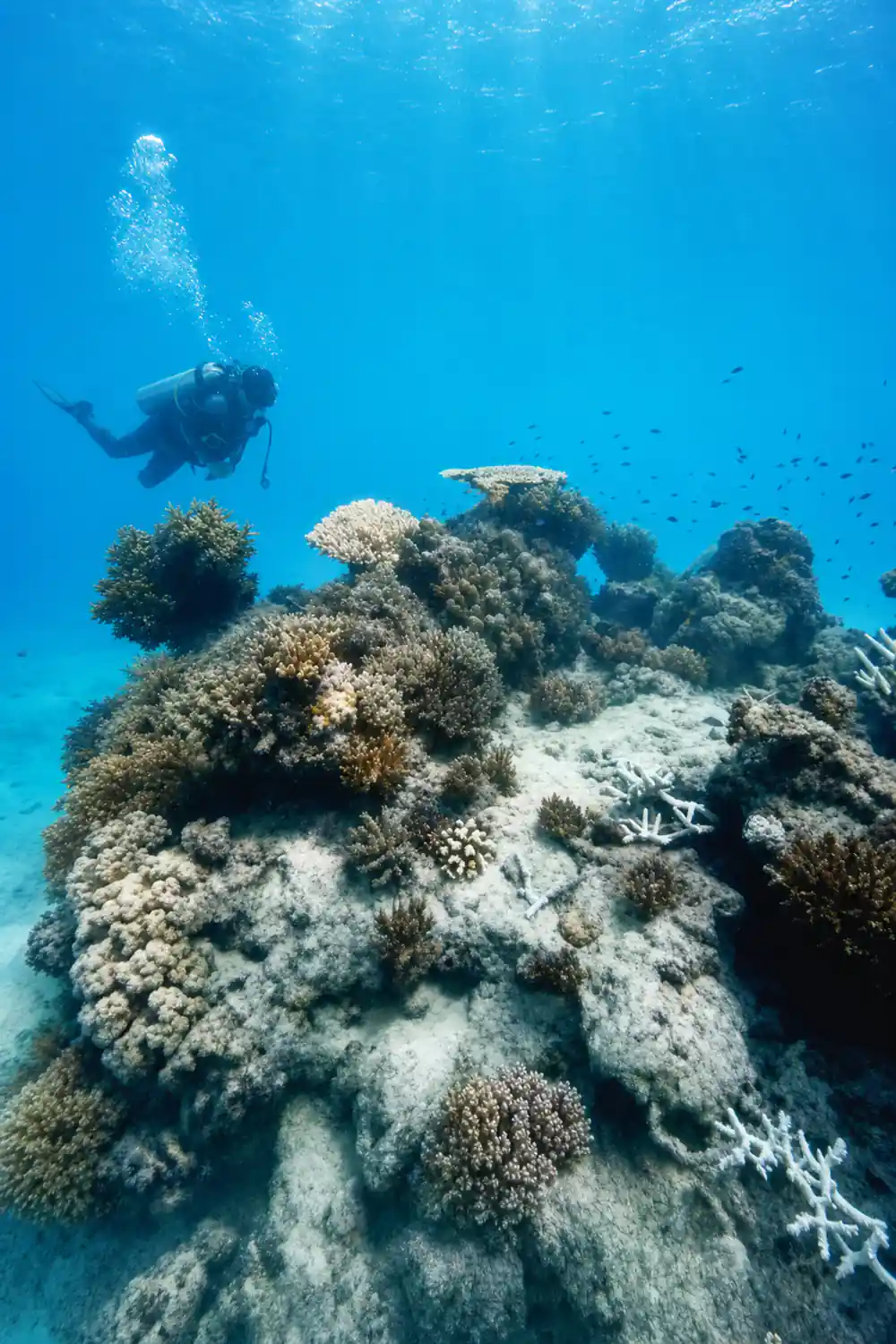
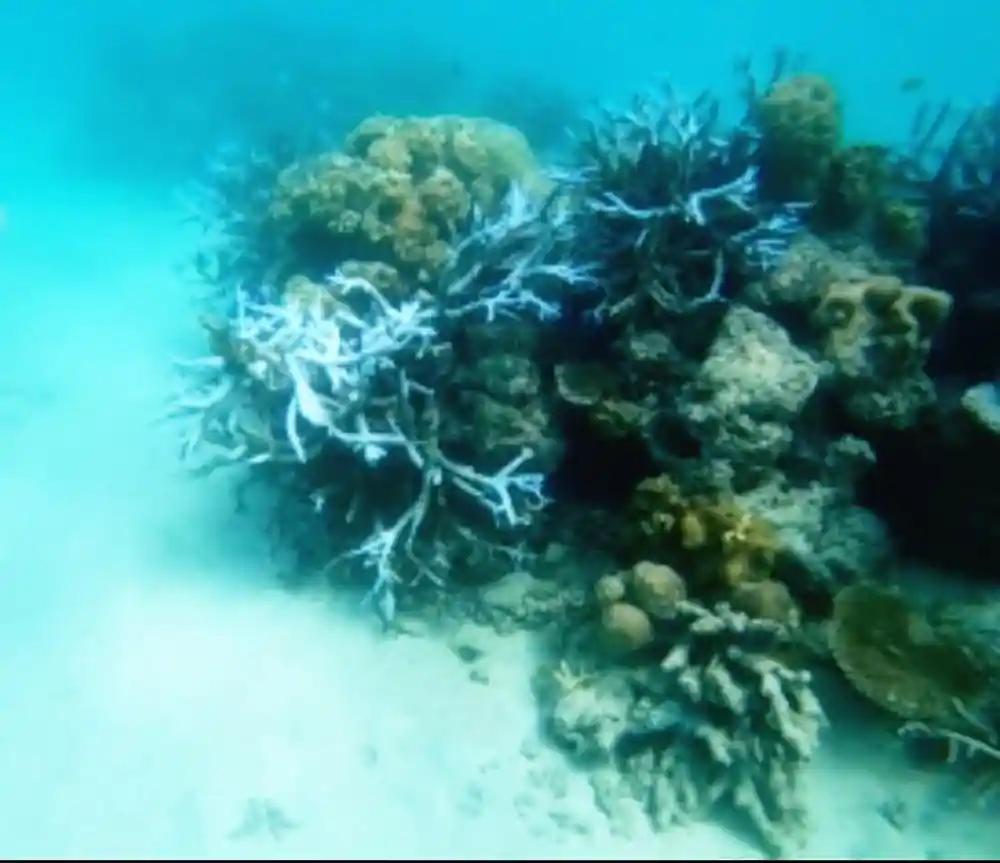
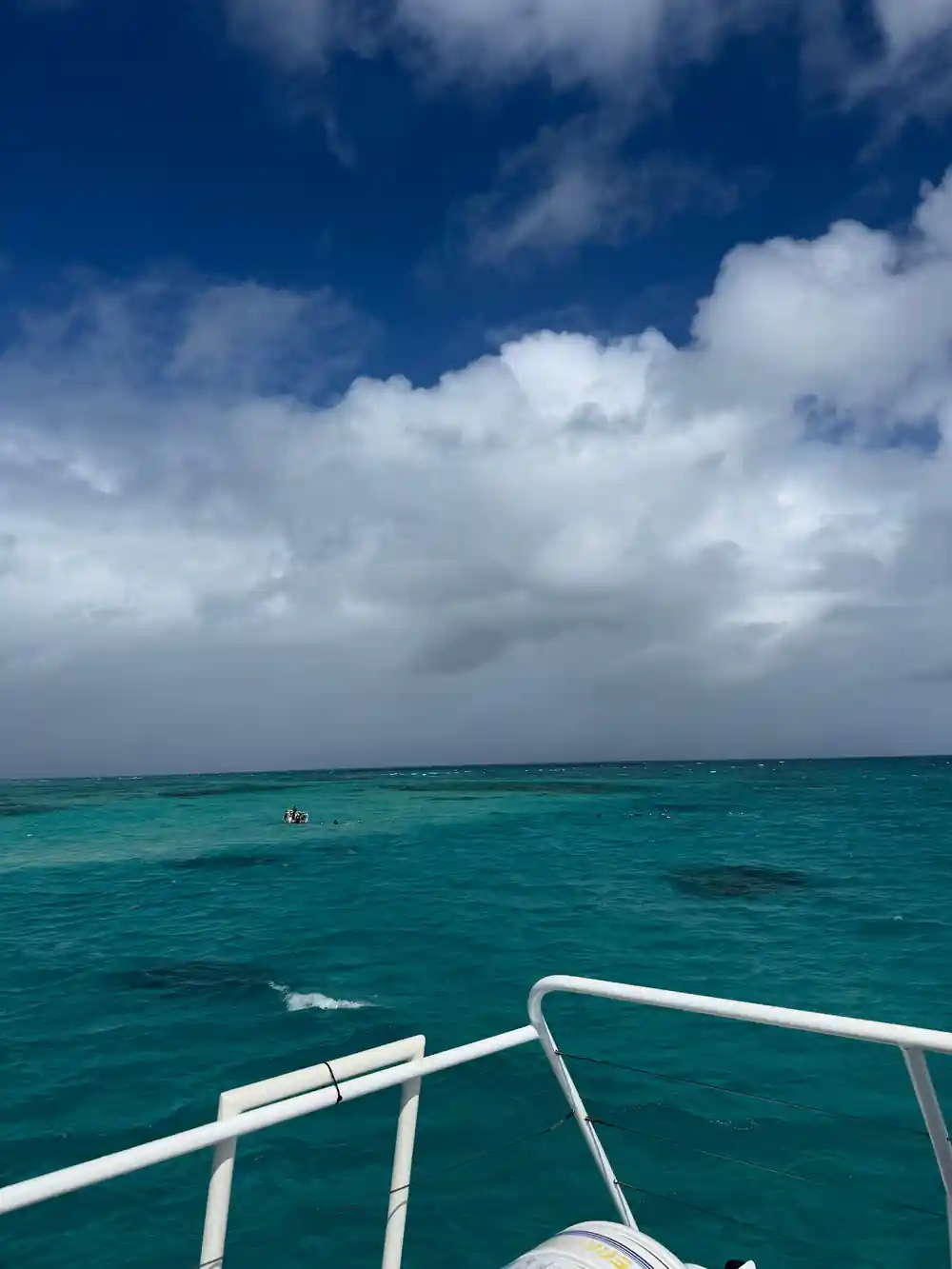
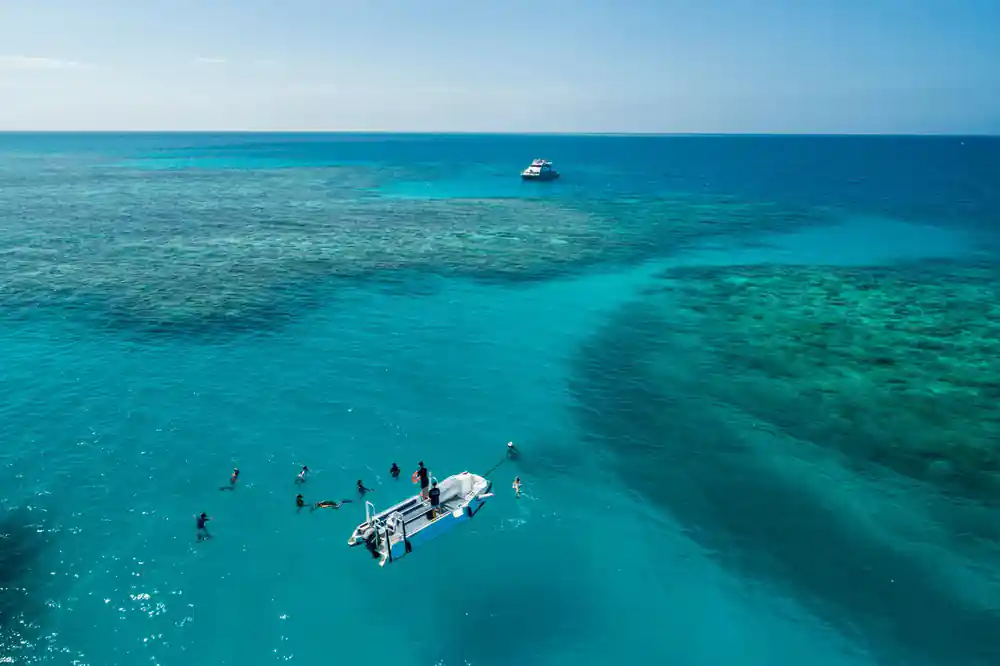
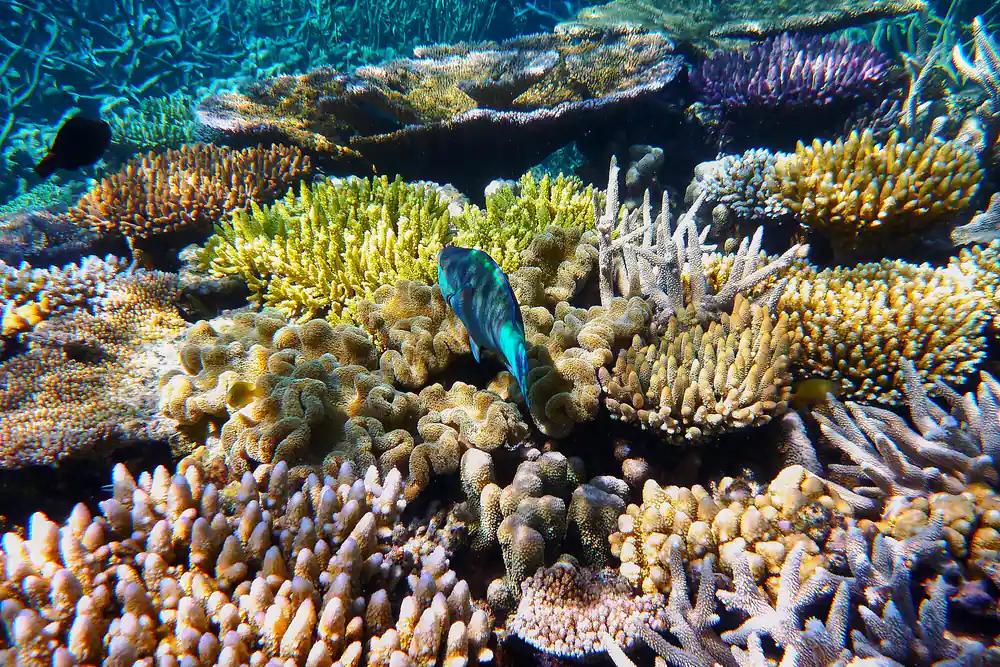
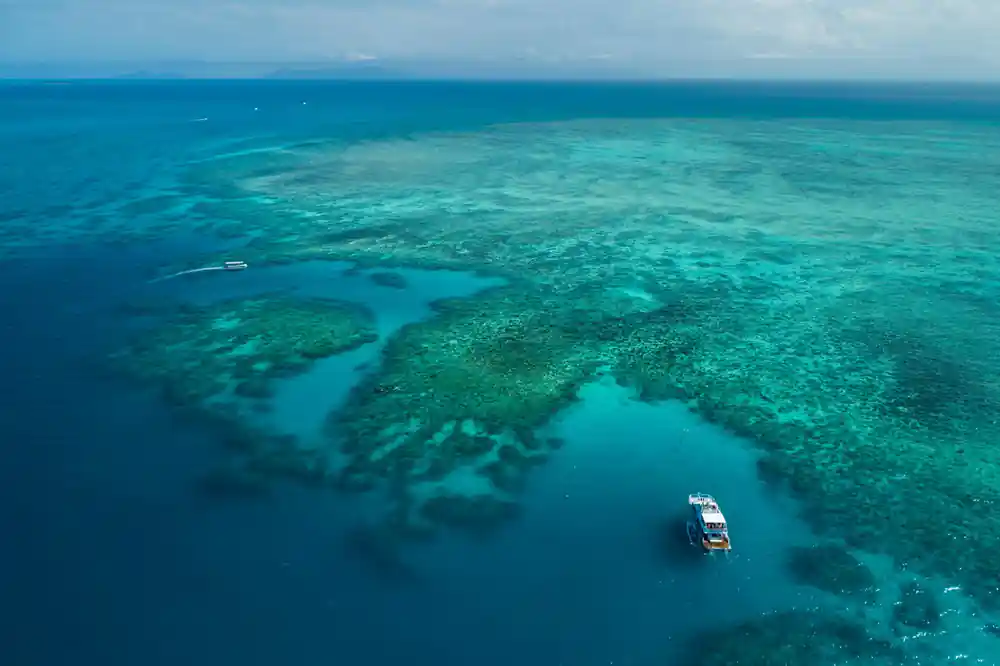
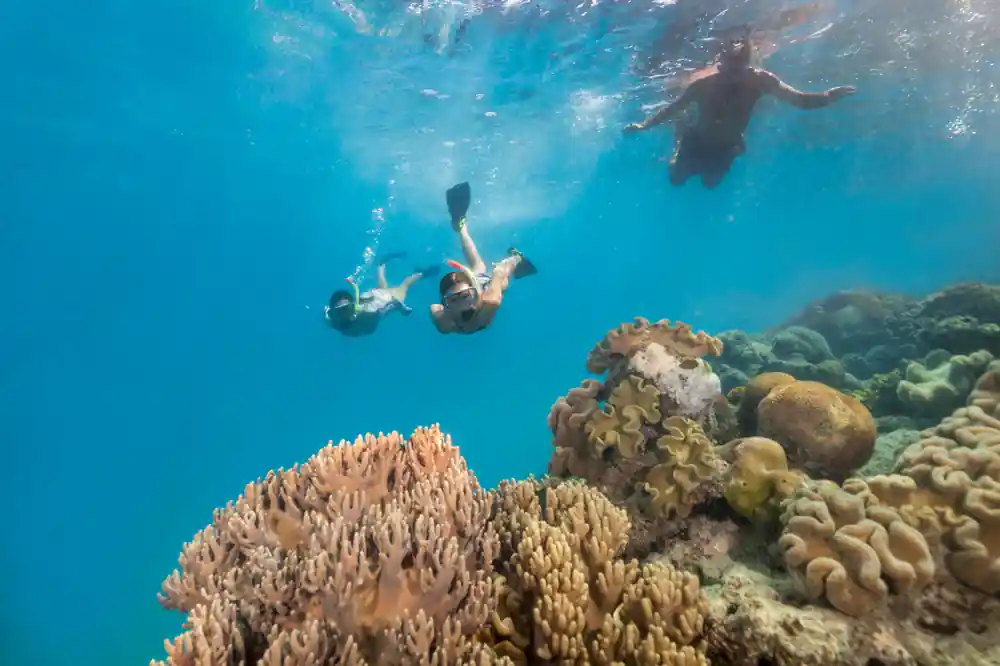
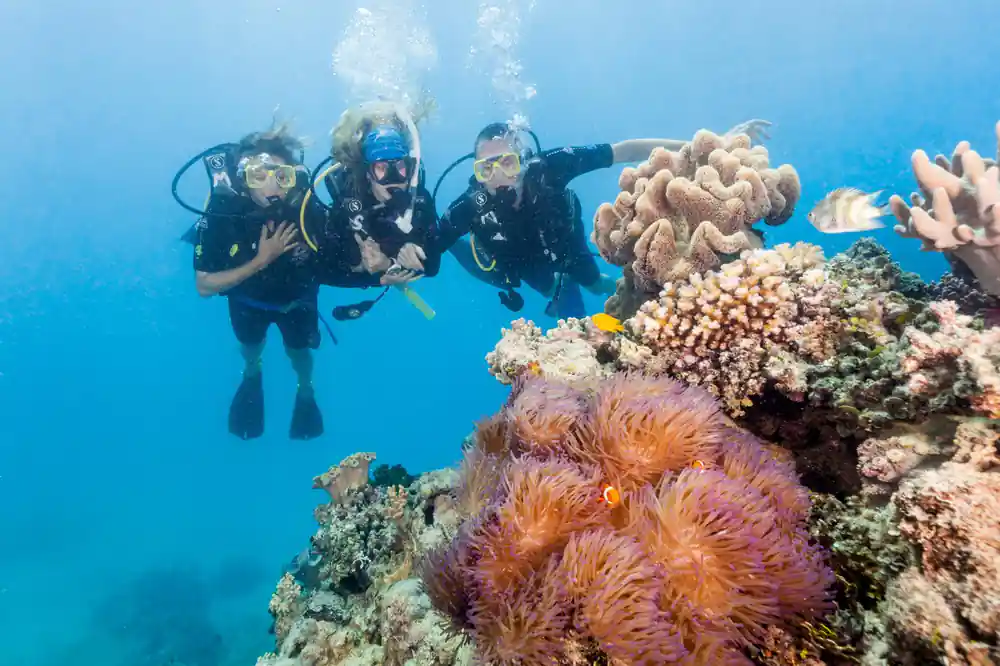
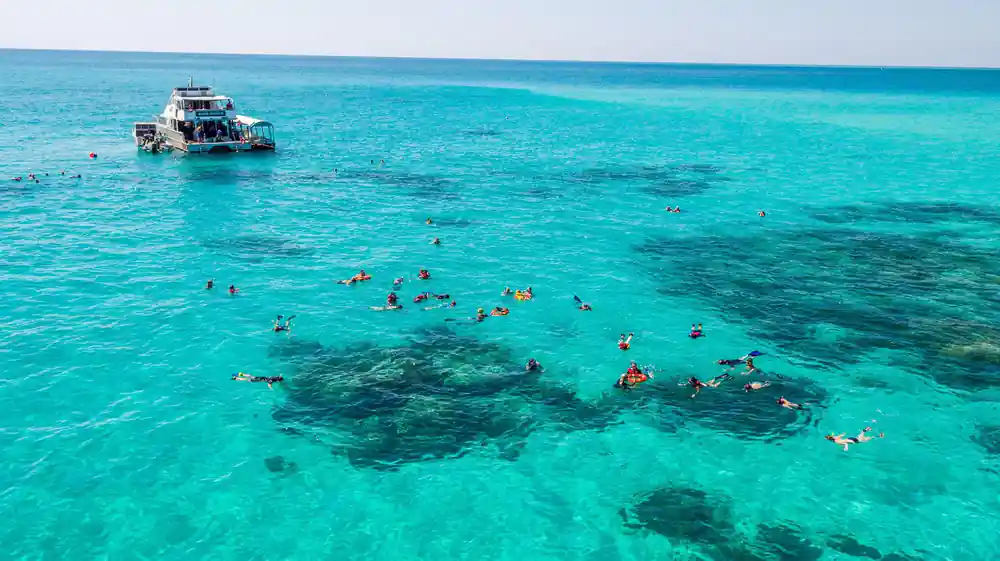
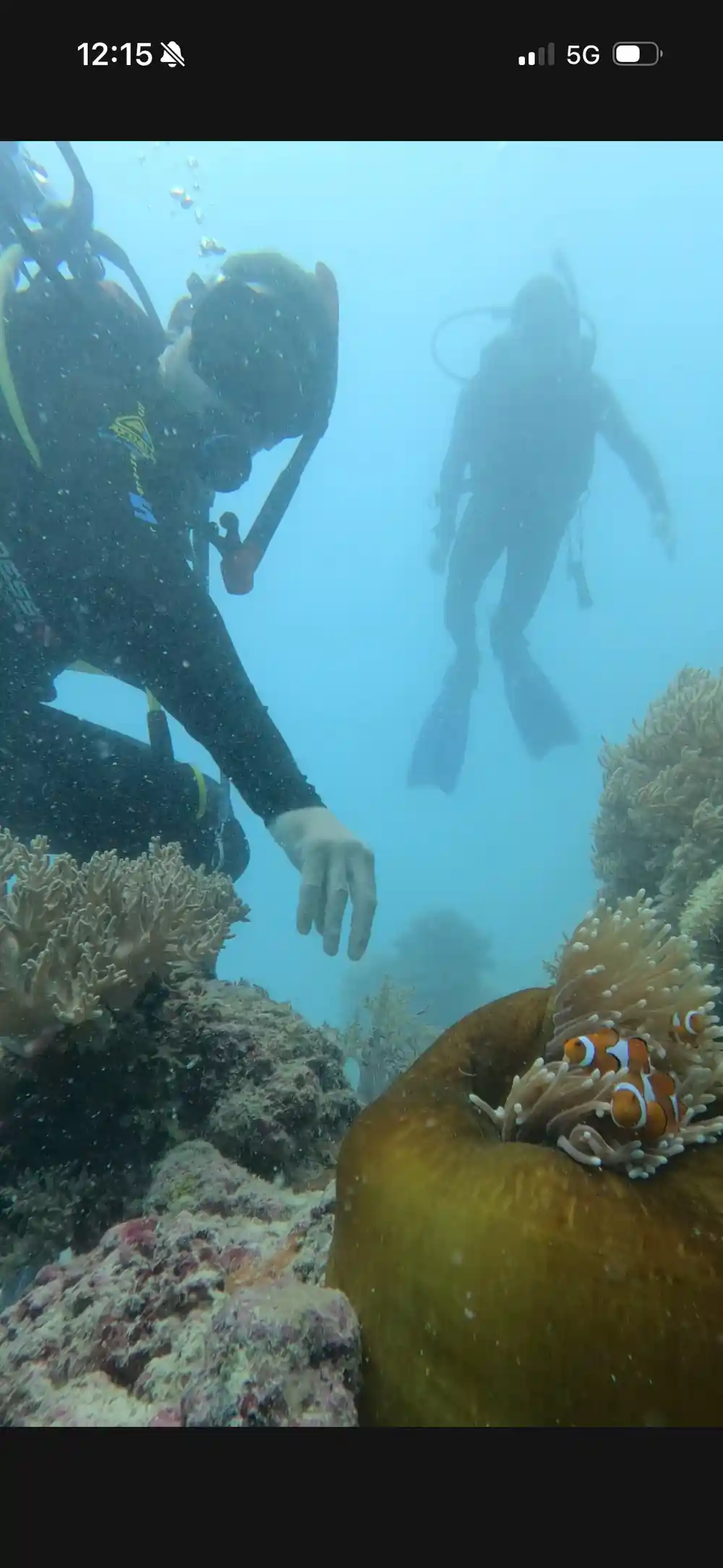
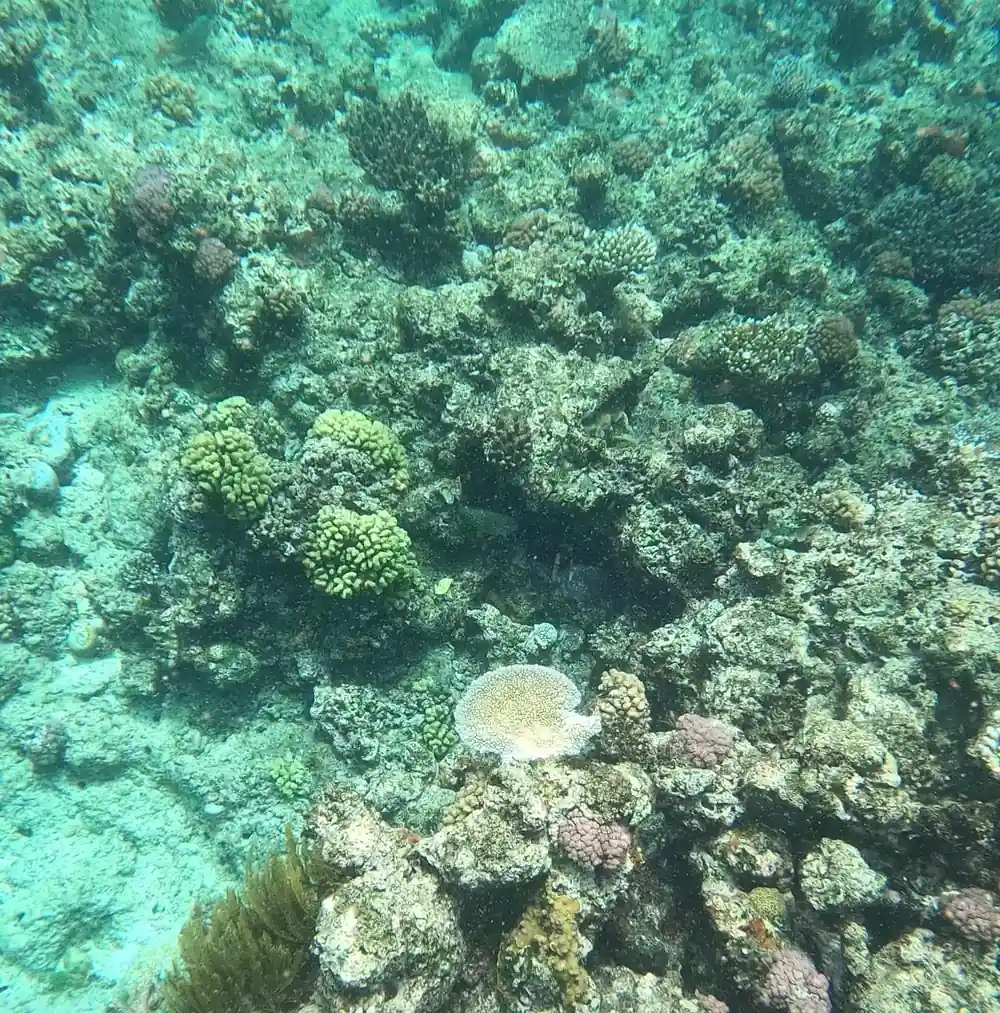
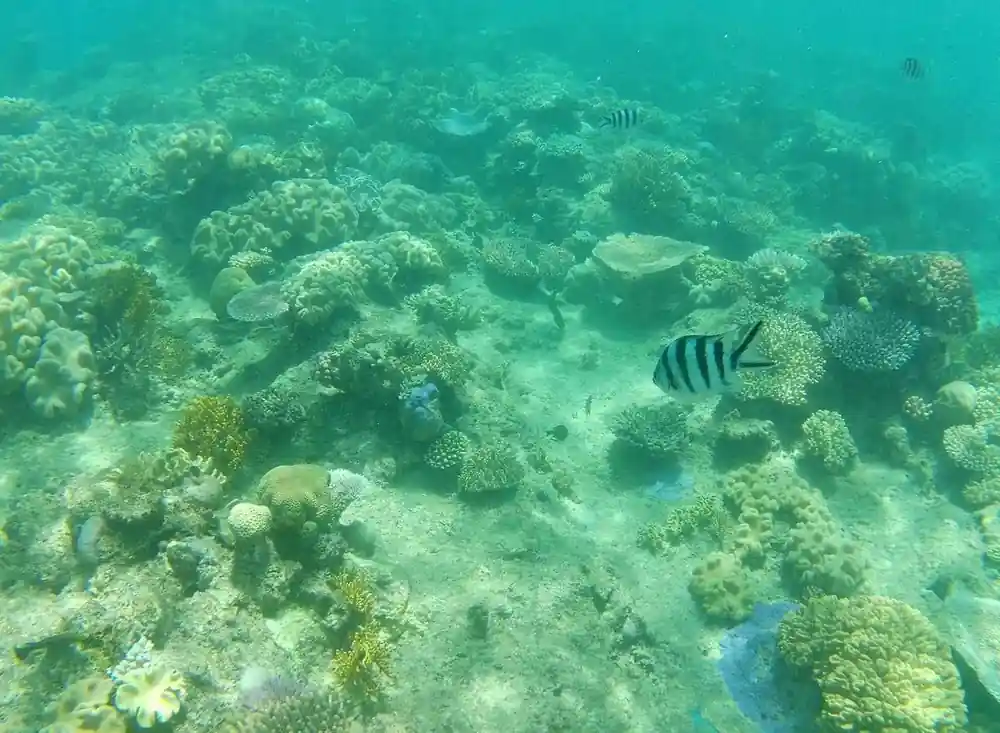
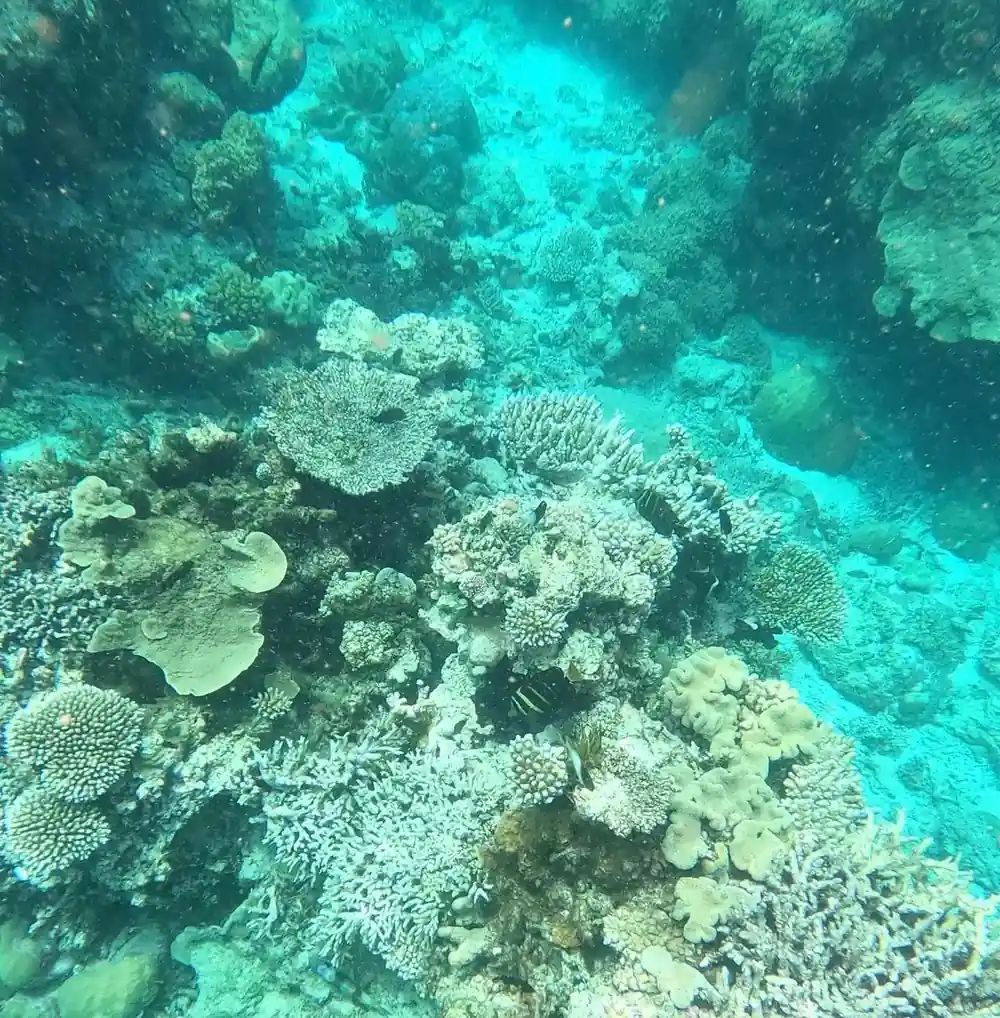
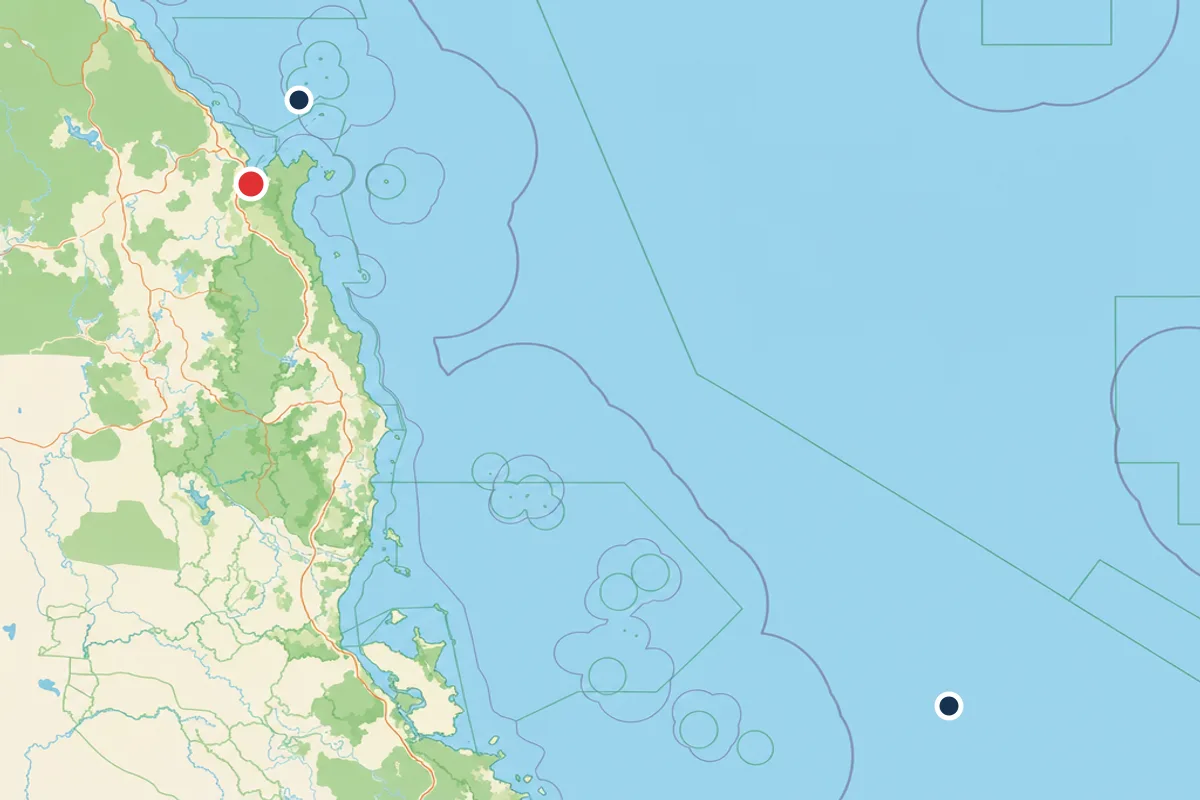
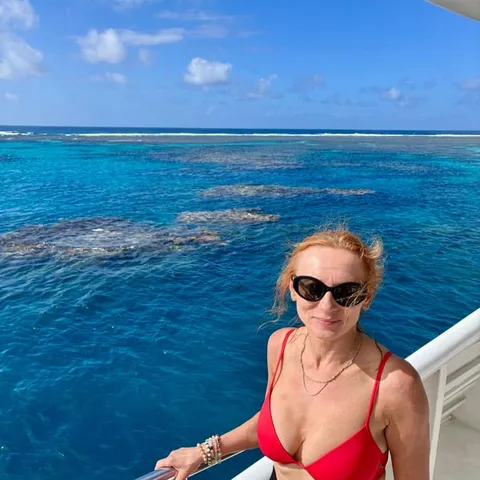
Both stops sit on the outer edge of Upolu Reef, the ribbon of reef further offshore than the fringing reefs around the inshore islands closer to Cairns. The first is called the Wonder Wall, where the coral comes to within about a metre of the surface, close enough to see clearly without diving under. The second is known simply as the Aquarium.
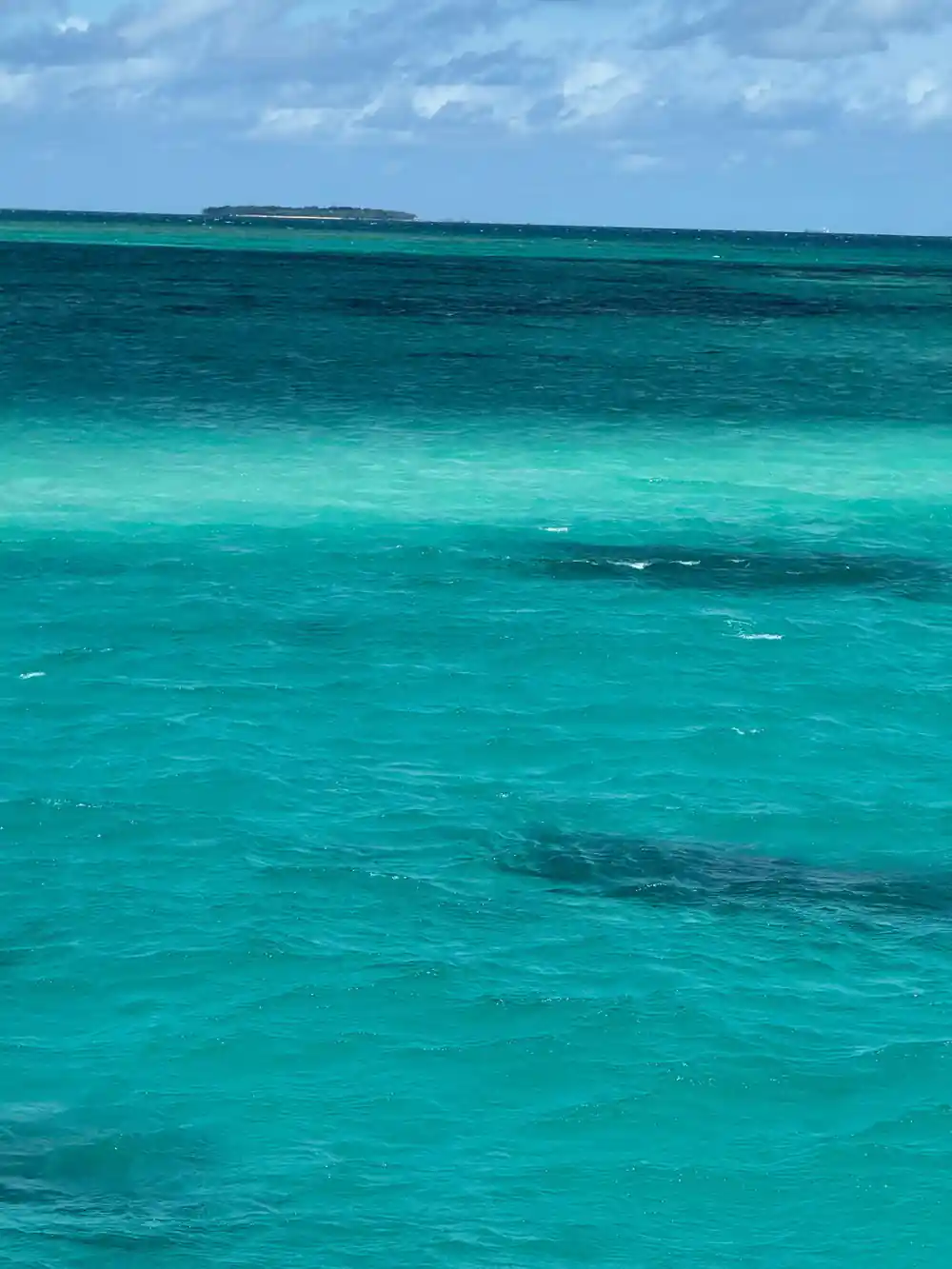
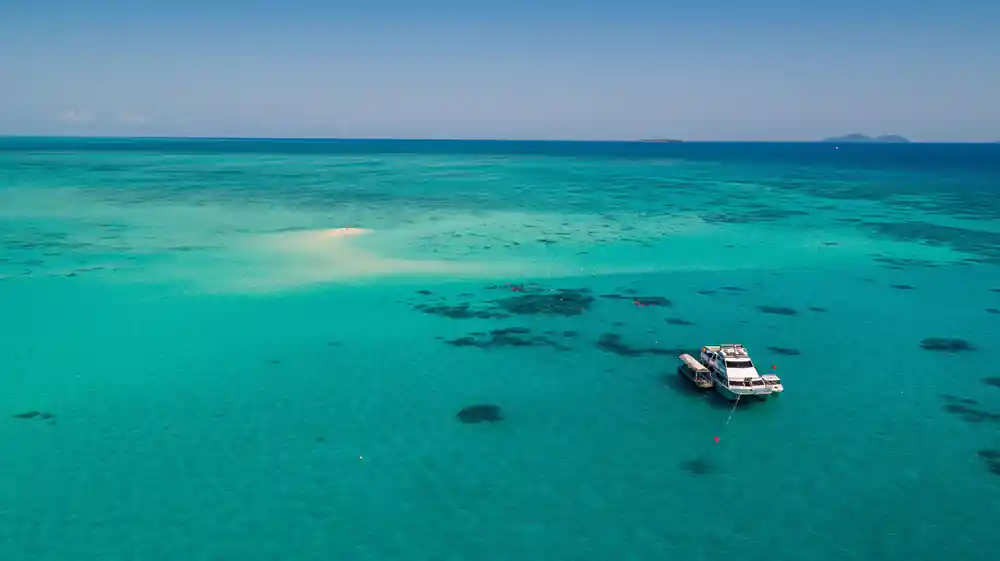
Upolu Cay sits near the second site. A coral cay like this one is a small, low island built from sand and coral fragments, piled up on the reef by wind and current over time rather than standing on solid rock, which is part of why it looks so different from the mainland coast behind it.
A guided drift, not a swim against the current
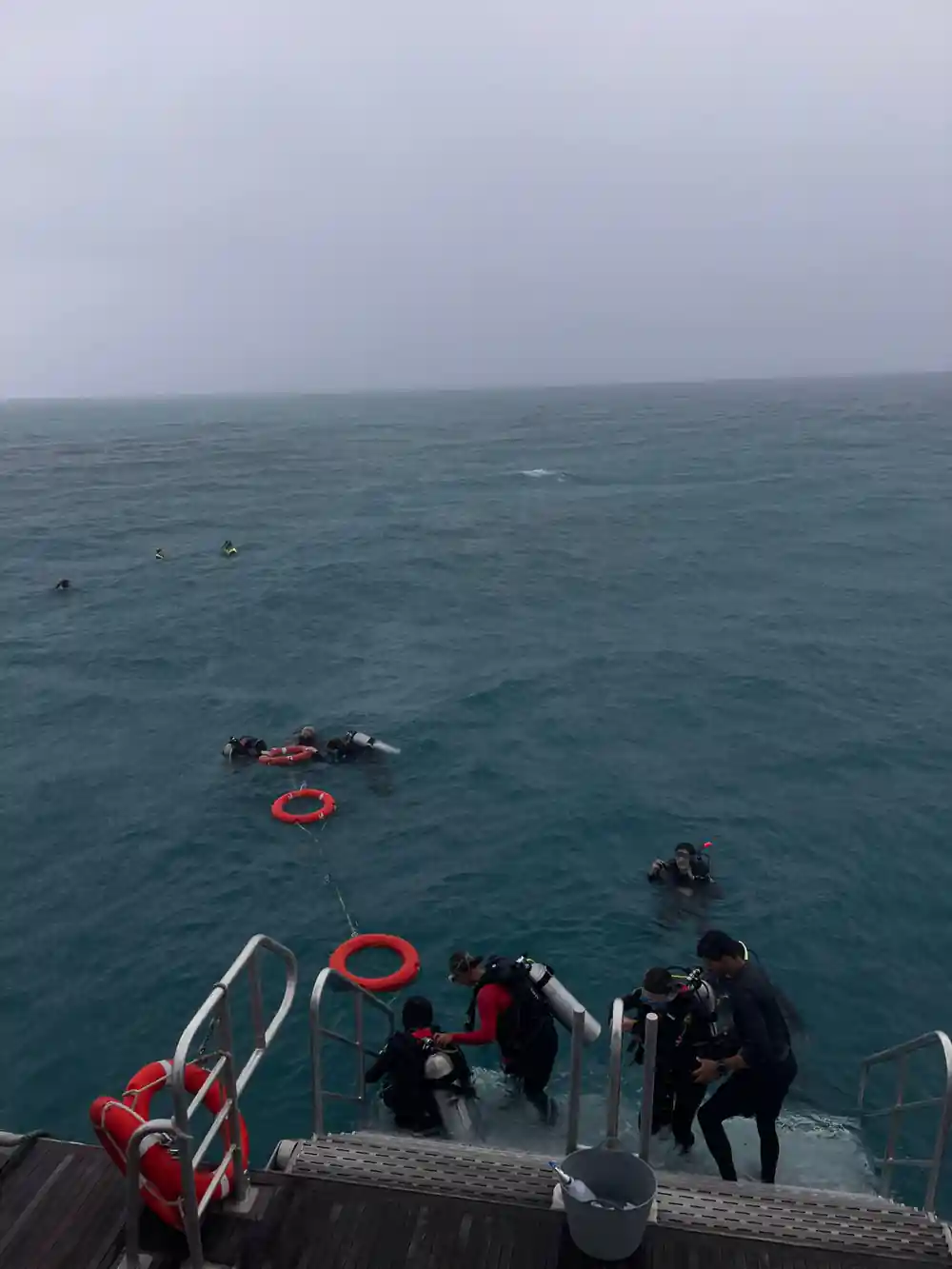
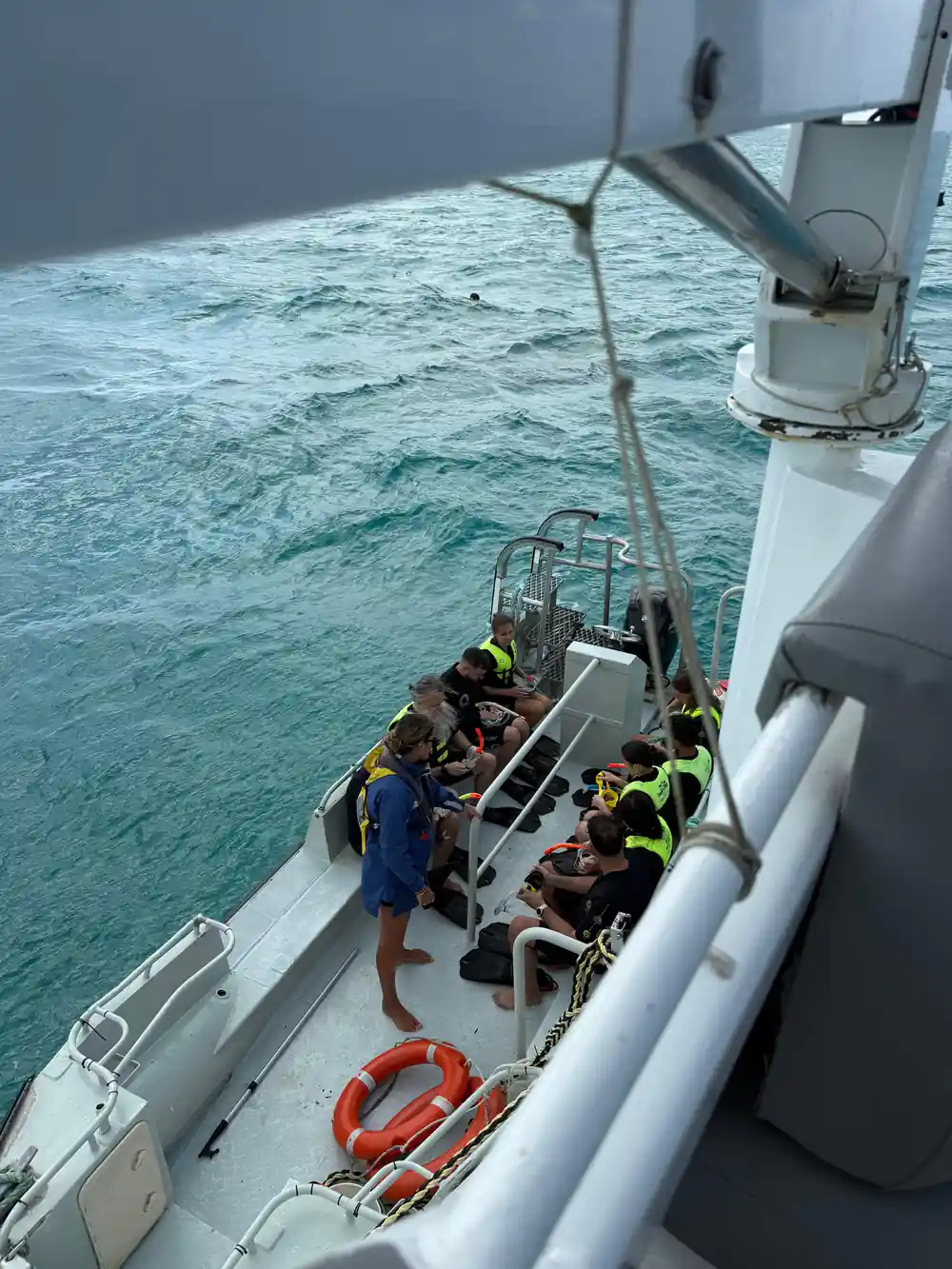
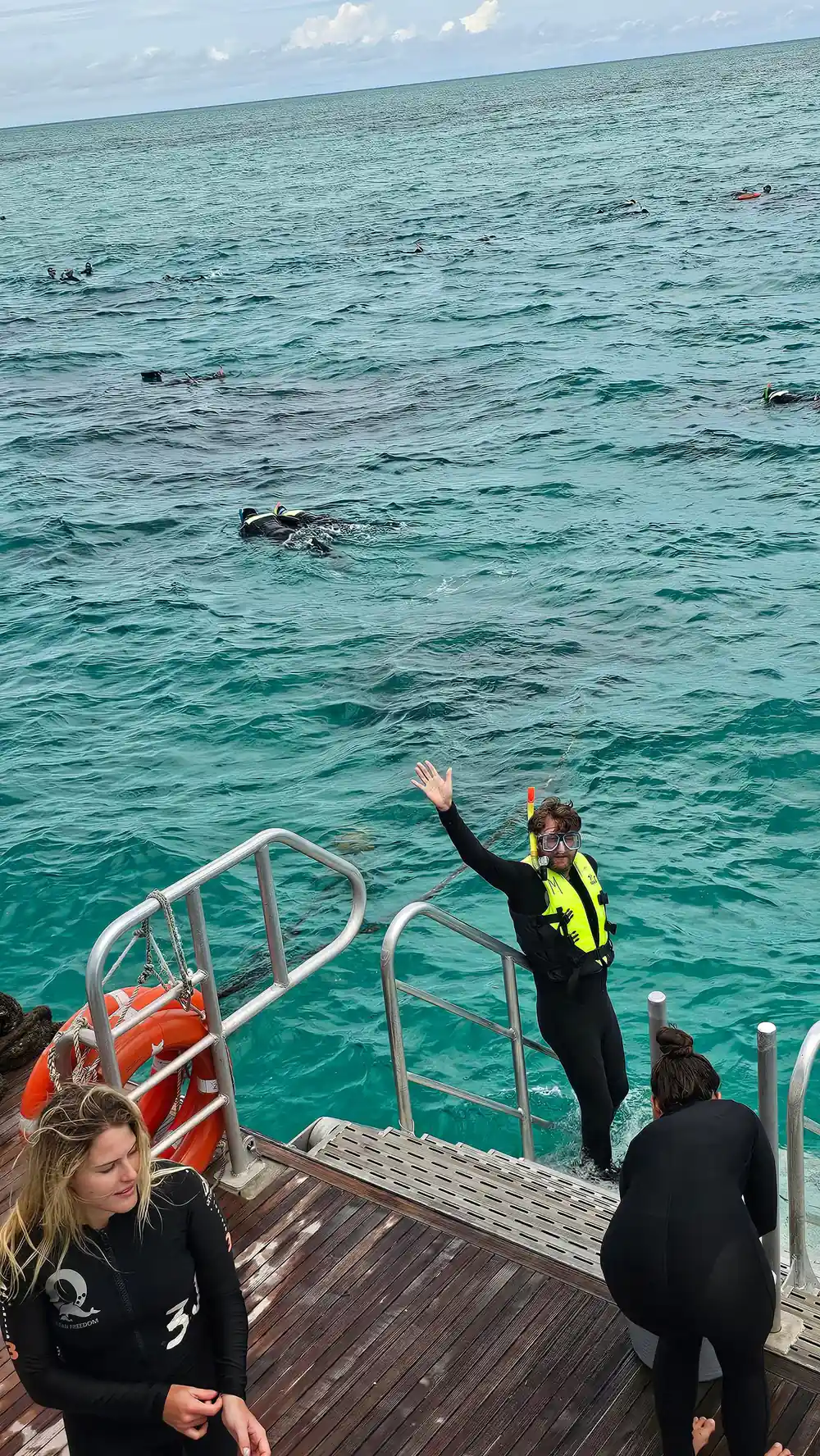
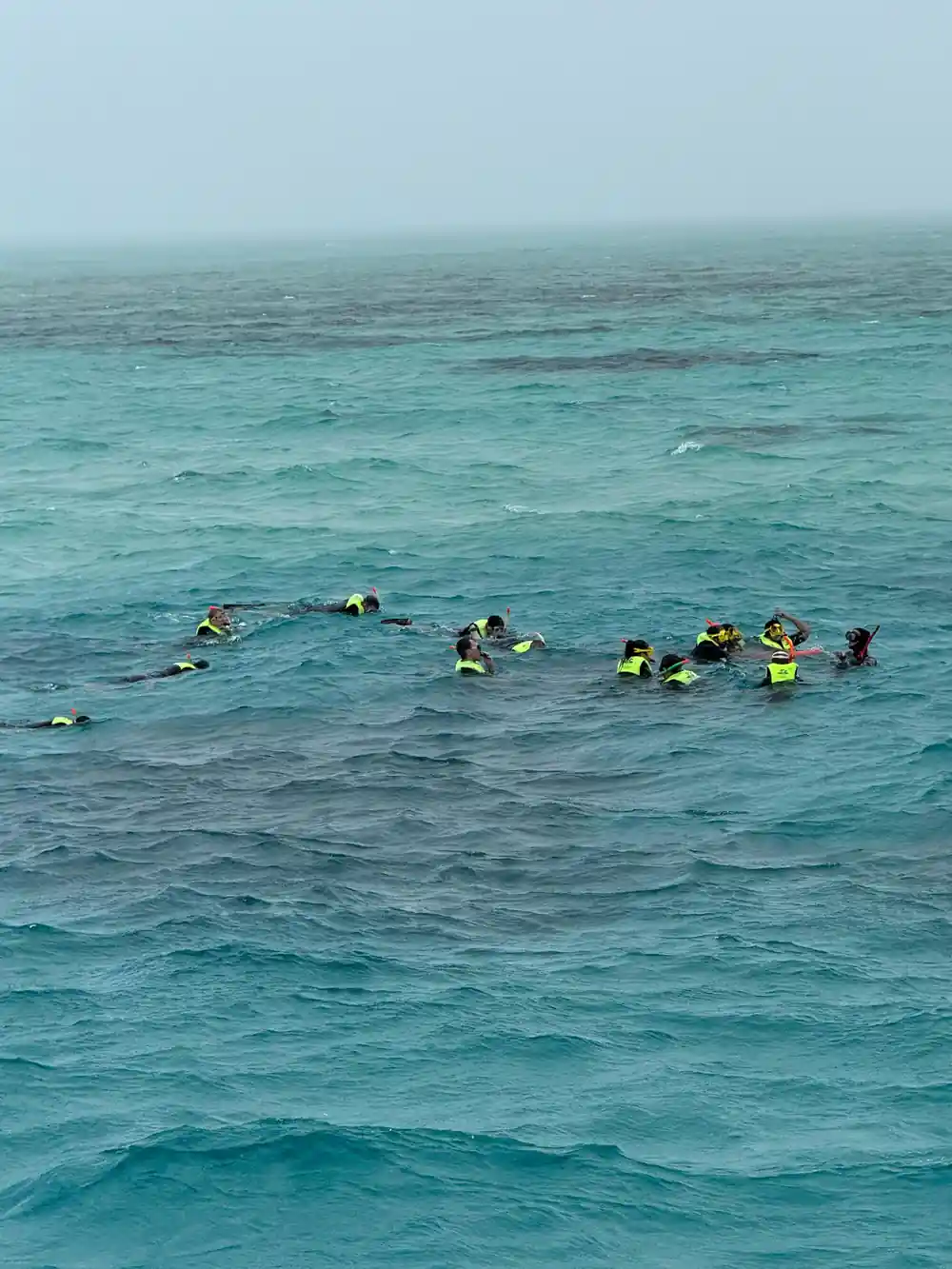
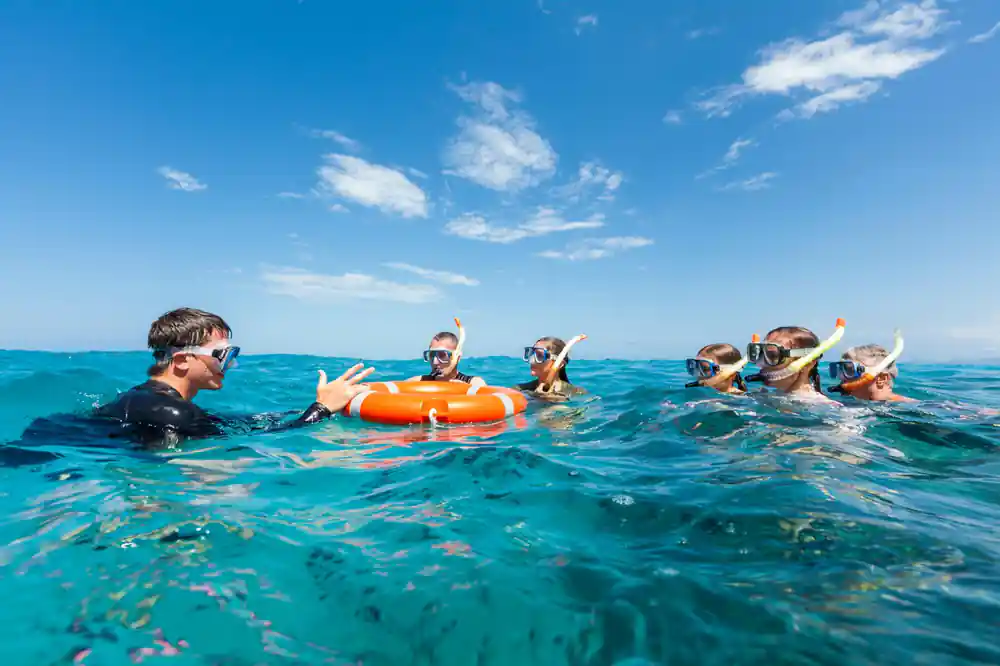
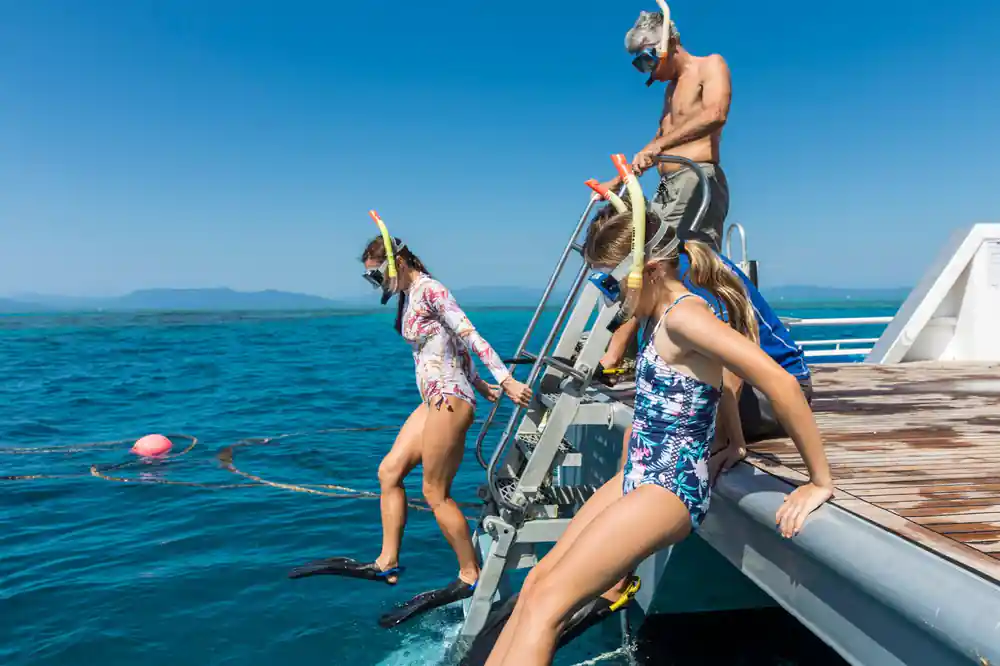
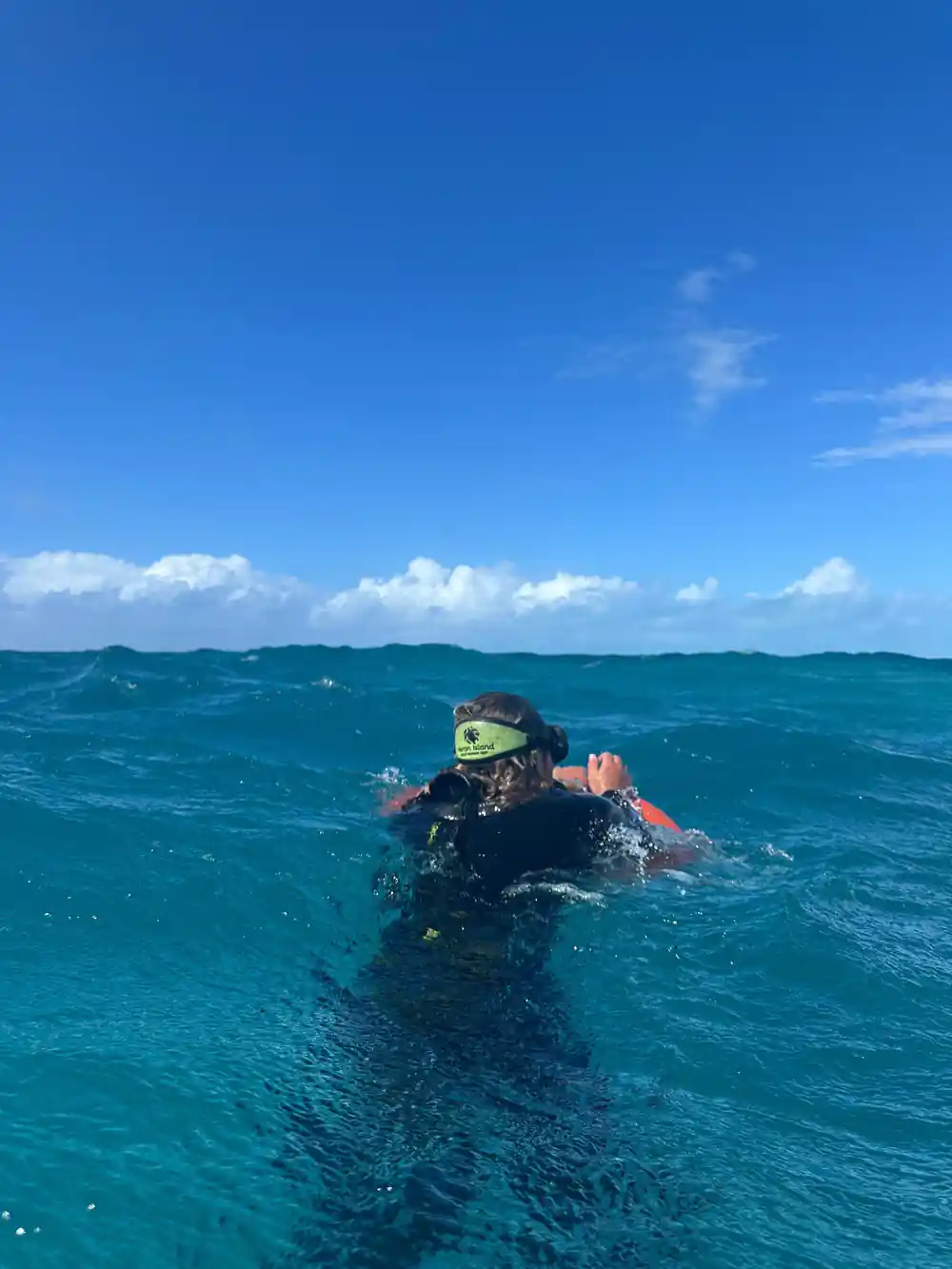
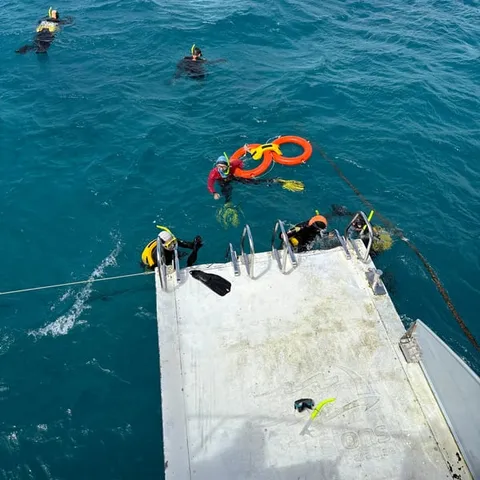
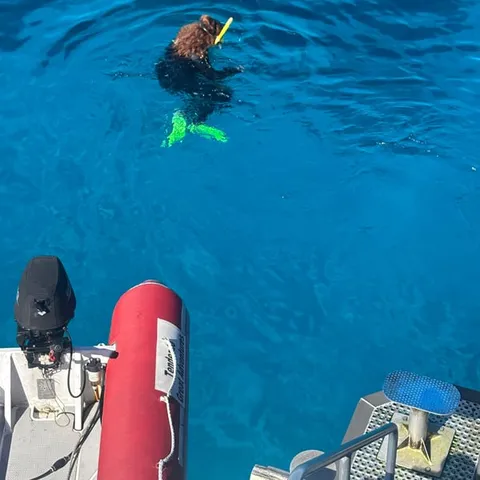
The snorkelling is run as a guided drift snorkel with a marine naturalist: the group moves with the current along the reef rather than swimming back and forth against it, with the guide leading the way and pointing things out as they go. Anyone who would rather stay dry can take the glass bottom boat instead, which means transferring between the main vessel and the smaller boat and back again.
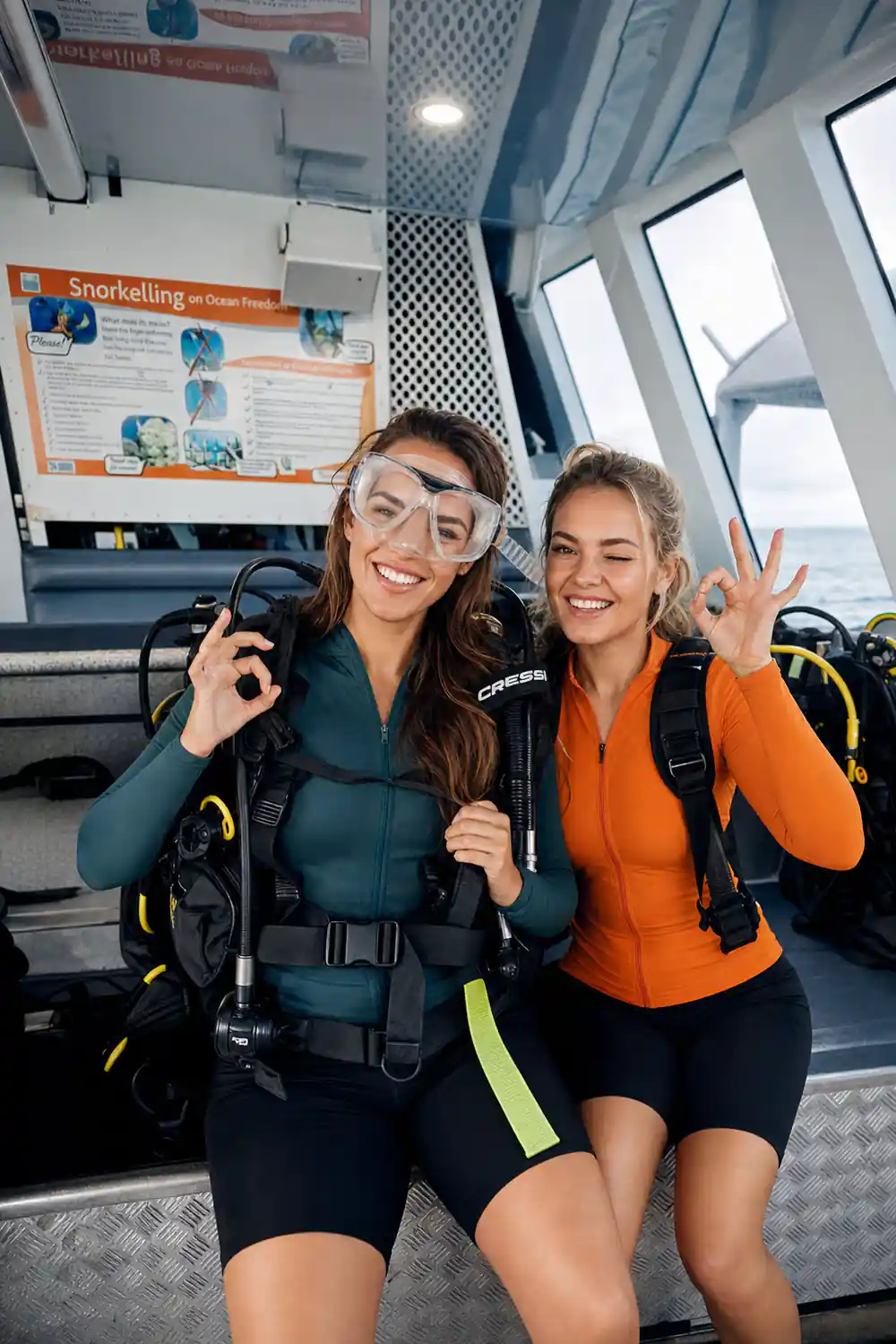
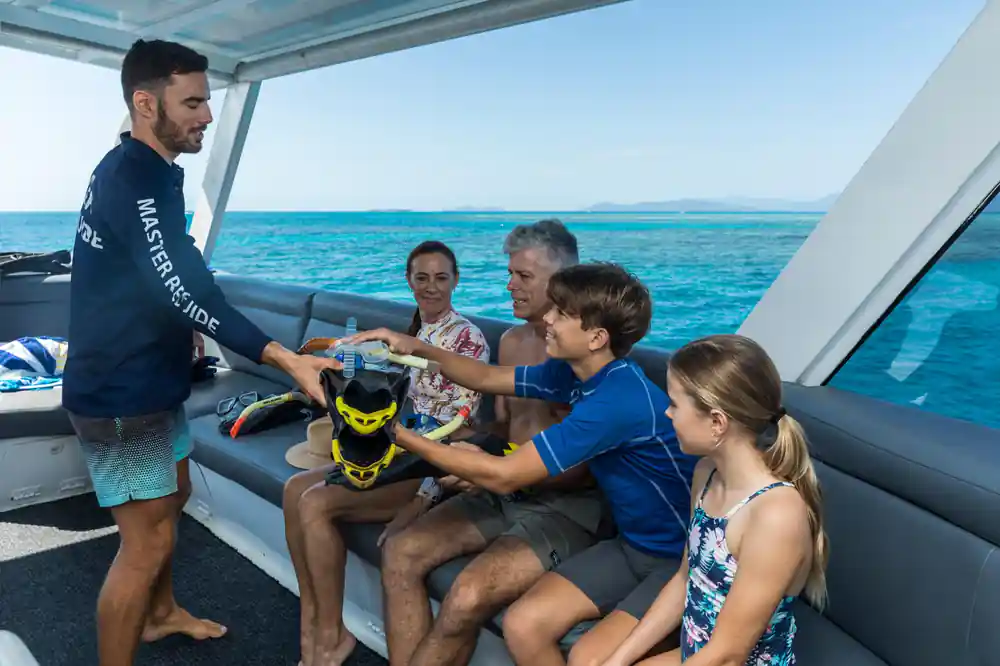
Snorkelling gear is provided for everyone, including prescription masks for anyone who needs one, along with lycra suits, flotation devices and wetsuits when the season calls for them. The lycra doubles as a stinger suit, which matters because marine stingers, including box jellyfish and Irukandji, are a genuine seasonal hazard in tropical Queensland waters, broadly from November through to May.
Diving is extra, snorkelling is not
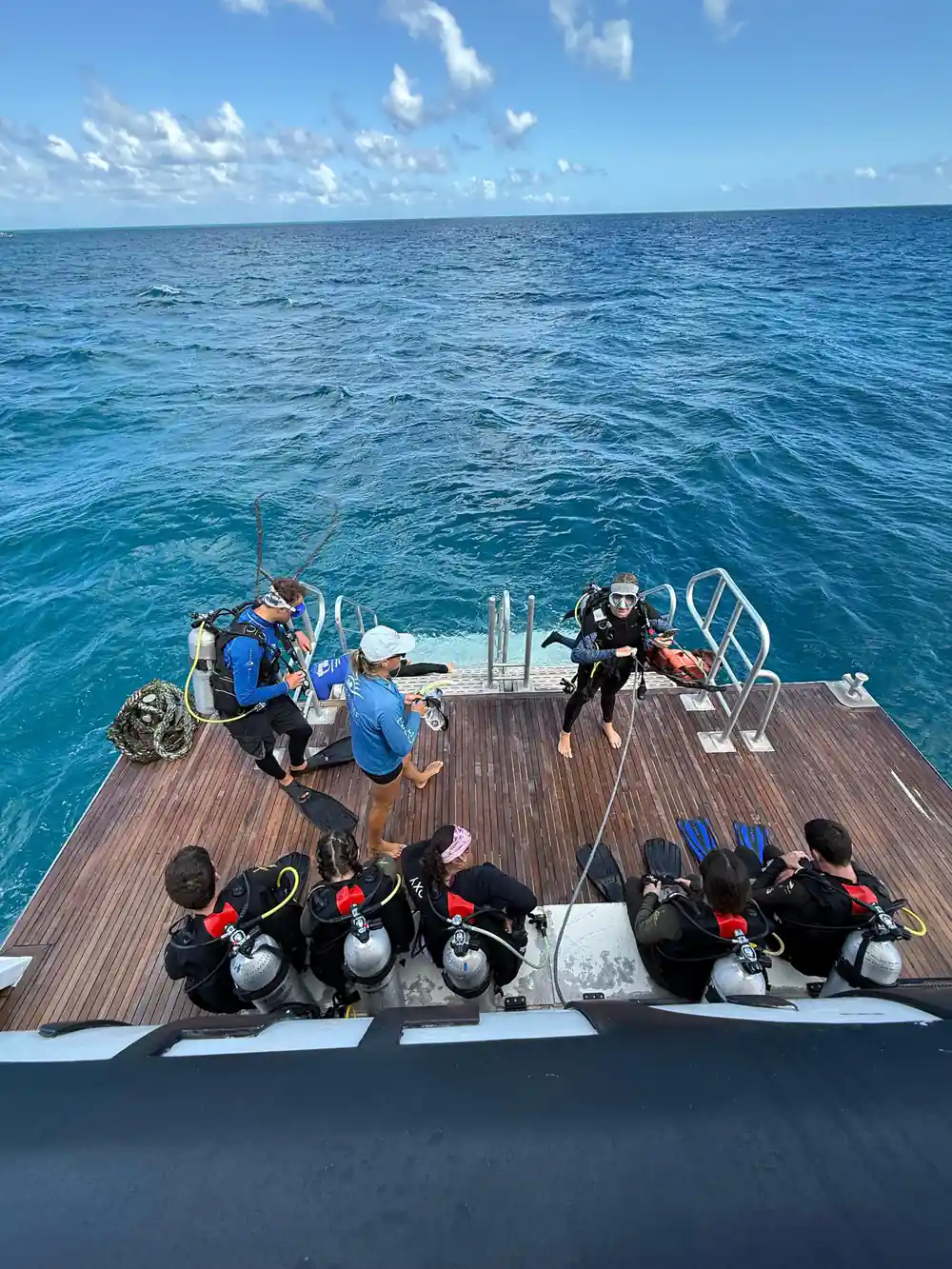
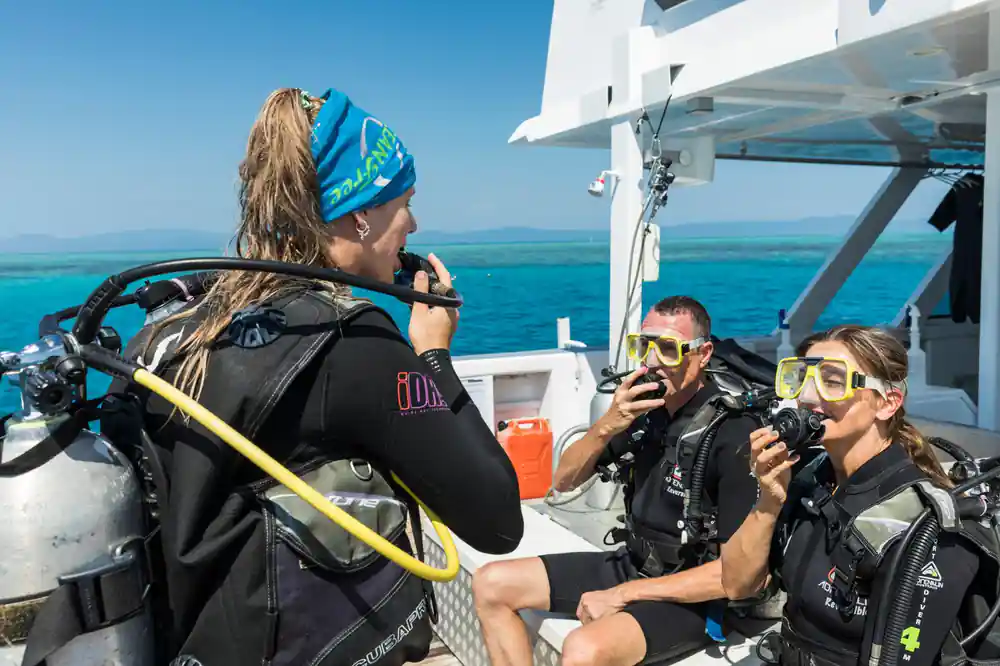
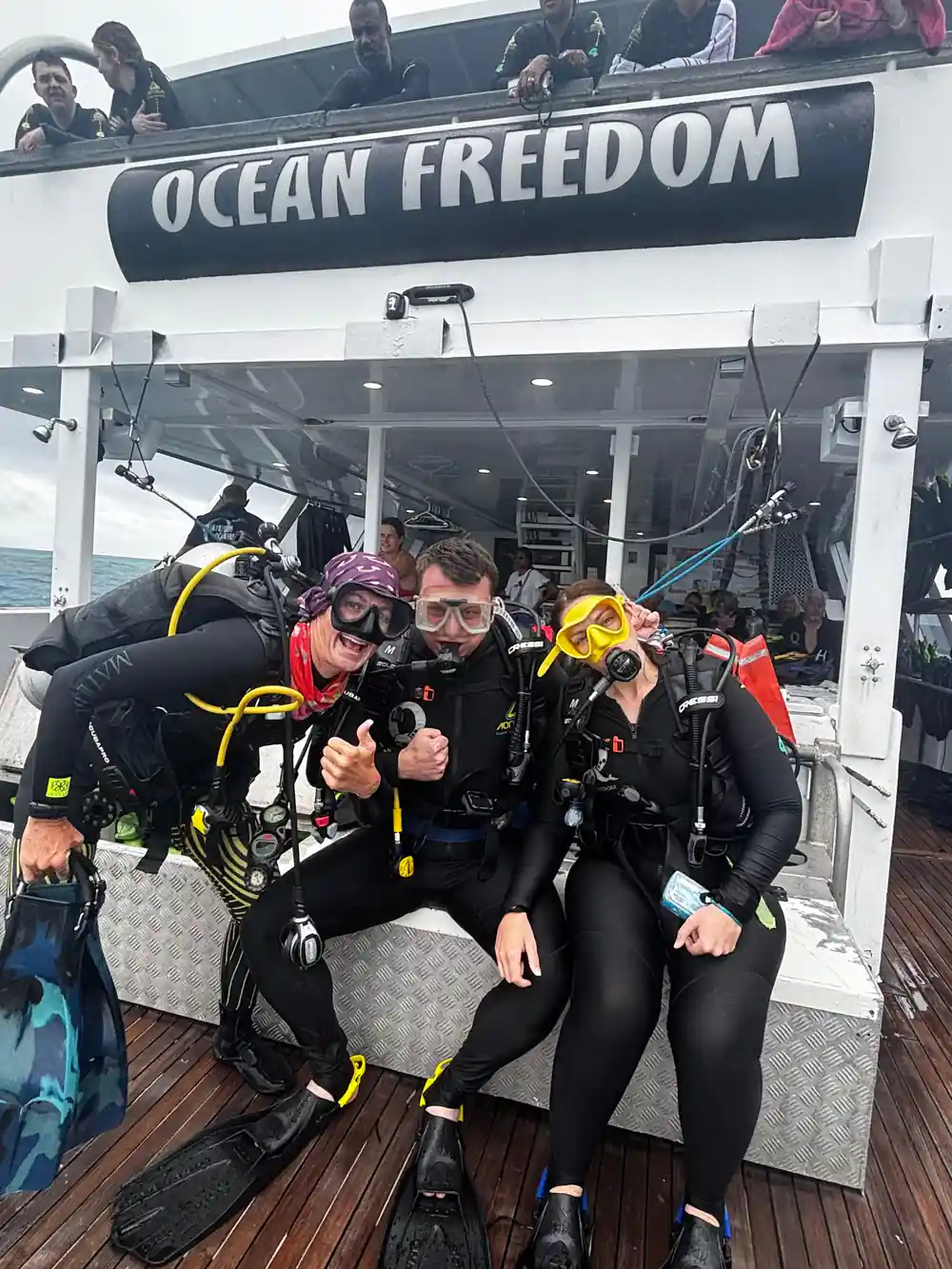
Snorkelling with a marine naturalist, at both sites, is part of the day for everyone aboard. Certified and introductory diving are not: either can be added as an option, and both depend on having no medical issue or medication that would rule diving out on the day. A medical form is completed at the terminal before the boat leaves.
Anyone with a past or present medical issue should say so before travelling, since a diving doctor's clearance may be needed before they are allowed in the water for that option. In Queensland, the minimum age for an introductory dive is twelve, and certified diving depends on already holding a recognised qualification.
The boat, the terminal, and the crossing
The published order of the day runs a three-minute walk from the terminal, seventy-five minutes out by catamaran, two and a half hours at Upolu Reef, an hour for lunch, another two and a half hours at the reef, and seventy-five minutes back to Ports North. Nothing about that shape is a guess; it is the timetable the operator publishes for the trip.
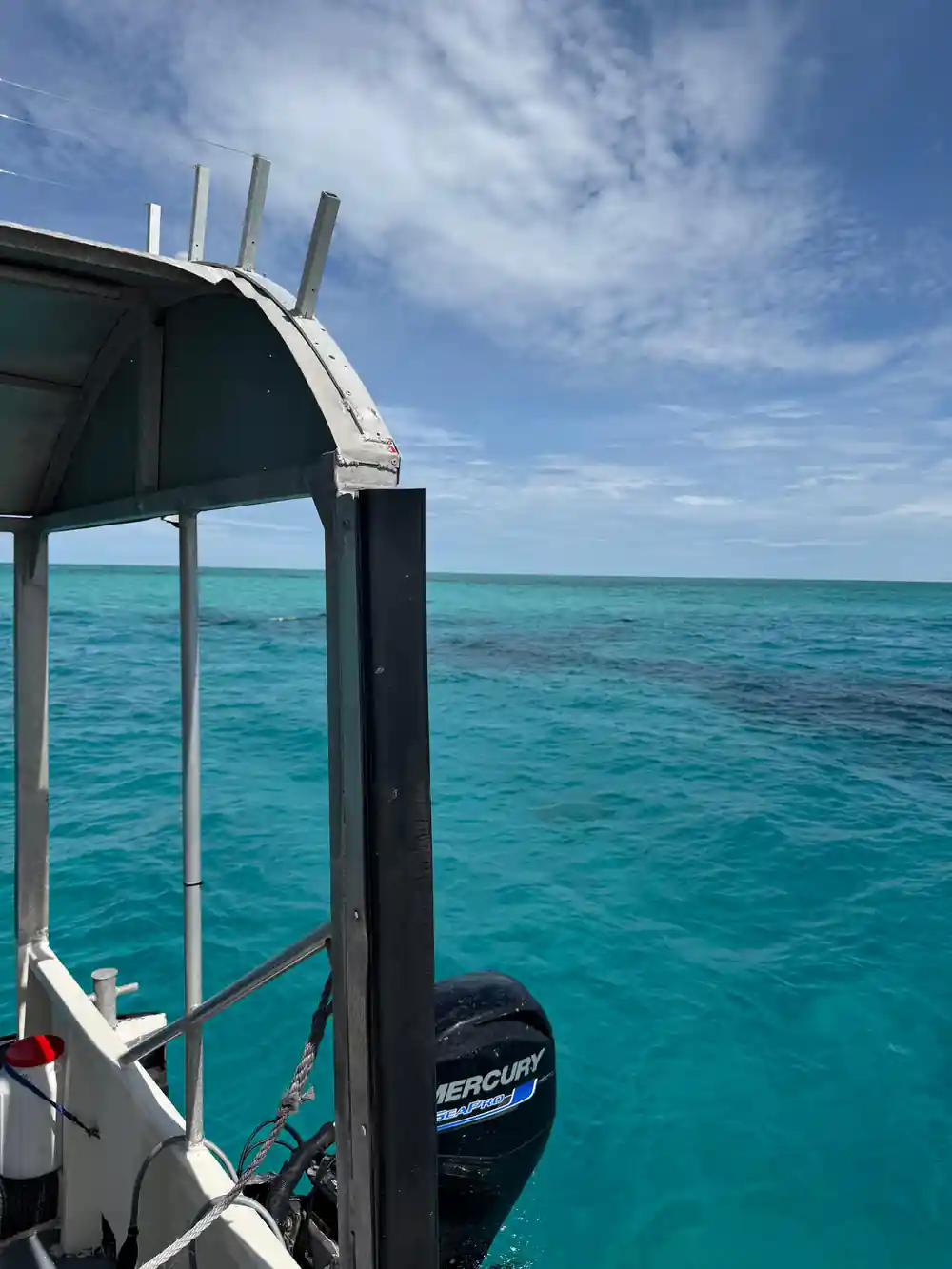
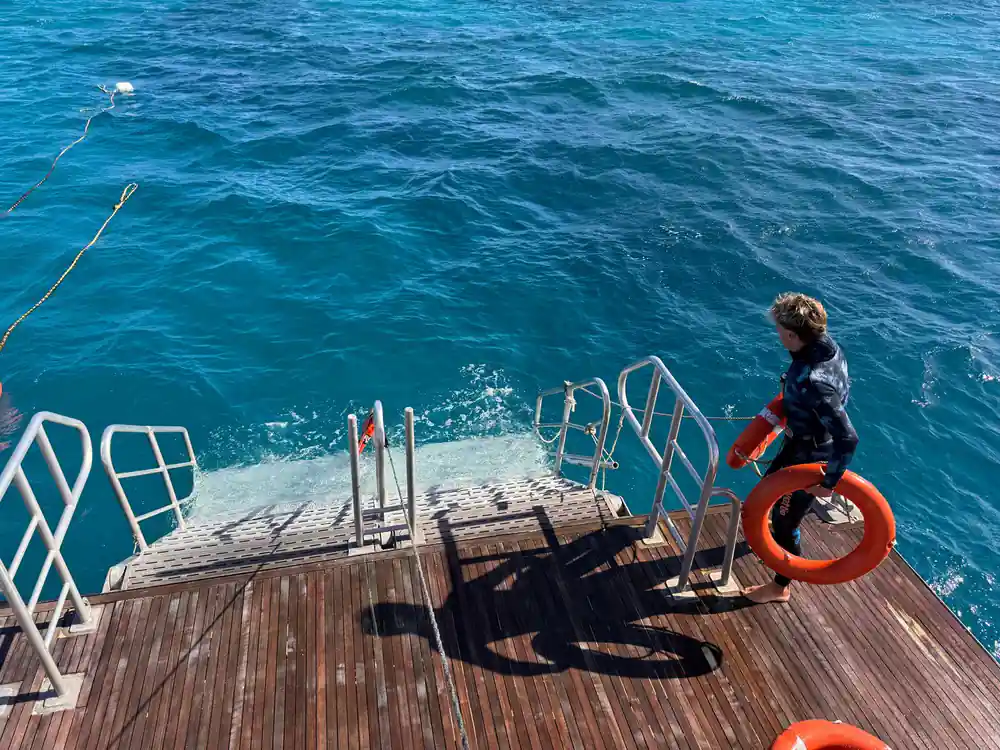
The boat itself is the twenty metre catamaran already mentioned, and it is the only vessel used for the whole route, out and back, rather than a transfer onto something smaller partway through. English is the language spoken aboard for the whole day.
What is served, and when
Food runs through the whole day rather than sitting in one block. Danish pastries and fresh fruit come out as the boat gets moving, and tea and coffee are available on boarding and again whenever the boat is moored through the day.
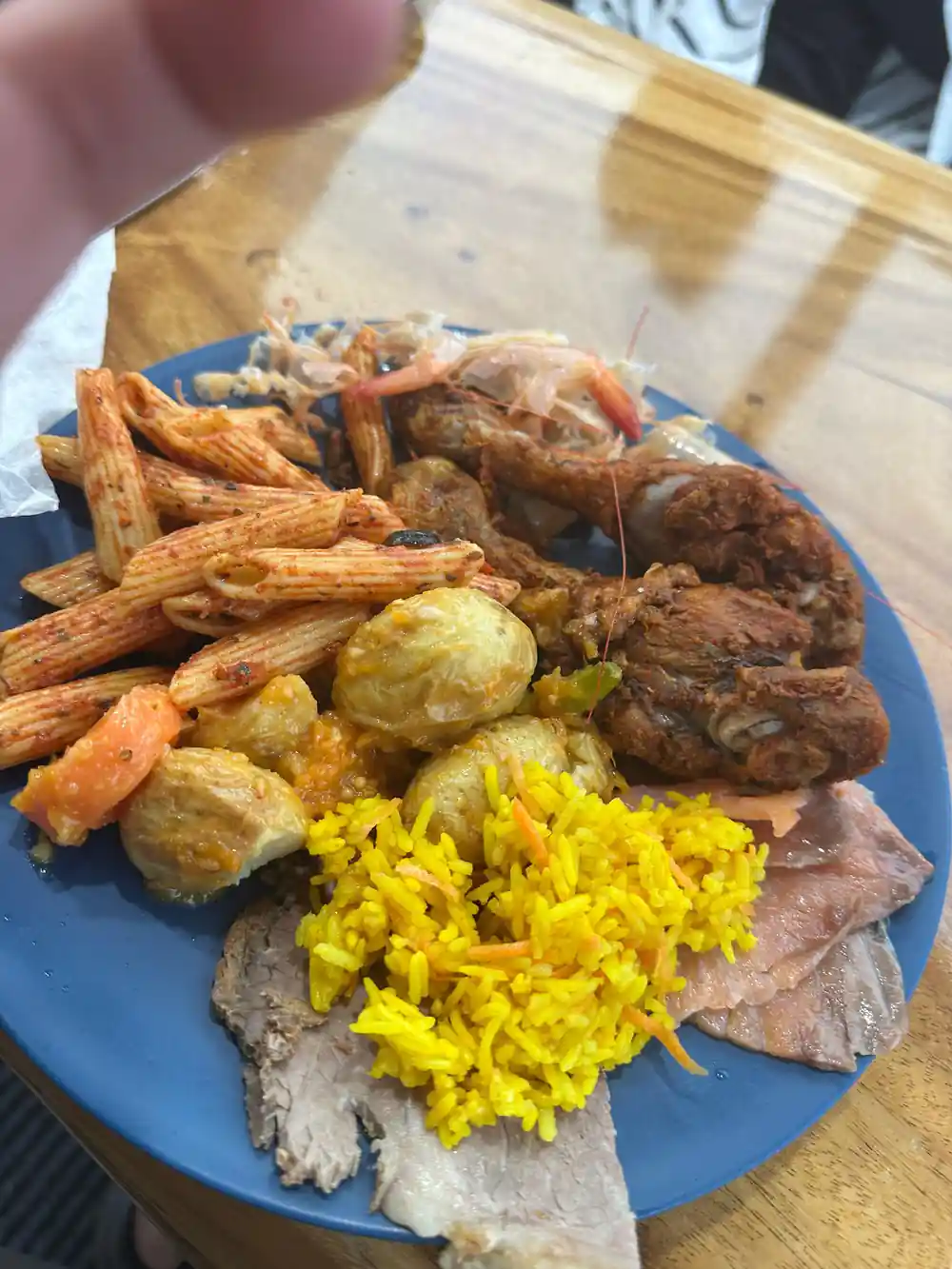
Lunch, taken in the hour between the two reef sessions, is a full smorgasbord: prawns, smoked salmon, a mixed meat and chicken platter, three salads and bread, with chilled water alongside it. On the way back, platters of tropical fruit, cheese, crackers and assorted cakes come out again.
A port and administration fee is payable at check-in and is separate from the booking made in advance. Alcoholic and soft drinks, underwater cameras, hotel pickup and drop-off, and any snacks bought on board are not part of what is included either.
Who this suits, and what to bring
This is not a trip for wheelchair users or anyone with a mobility impairment. Getting around a moving vessel takes a degree of steadiness, and so does transferring between the main boat and the glass bottom boat and back, so anyone who finds that kind of movement difficult should look elsewhere.
Cairns is tropical, with a hot wet season running roughly November to April and a drier, milder season from May to October. Bring sunglasses, swimwear, a towel, sunscreen and something dry to change into afterwards; everything needed in the water itself is provided on board.
The operator holds an Ecotourism Green Travel Leader listing, which is worth knowing if that kind of accreditation matters to how you choose an operator on a reef with real environmental pressure on it.