The quick version
- Cairns snorkeling season follows the dry season from roughly May to October and the wet season from roughly December to March.[1] The dry months are the classic reef window.
- The marine stinger season typically runs from November through to May, when the risk from potentially dangerous jellyfish is higher.[2] A simple lycra suit is the practical answer.
- The dry season, roughly May to October, is the classic reef window.[1] Plan your snorkel days then for the most settled weather.
- The Outer and Coral Cay Snorkel and Dive Cruise from Cairns starts at US$202, with a 4.81 rating from 1,592 reviews.[3]
- Reef trips leave from the Reef Fleet Terminal at 1 Spence Street.[4] The Moore Reef pontoon sits 47 km offshore.[5]
- Top choice Outer and Coral Cay from US$202 Duration8.5 hours to 1 day[3]LanguageLive tour guide: English[3]CancellationFree cancellation up to 24 hours in advance[3]Rating4.81 from 1,592 reviews[3] Check availability
- Outer Reef Full Day from US$193 Duration8.5 hours[6]LanguageInstructor: English, Japanese, Chinese, German[6]CancellationFree cancellation up to 24 hours in advance[6]Rating4.72 from 1,536 reviews[6] See this tour
- Silverswift from US$216 Duration8 hours[7]LanguageLive tour guide: English[7]CancellationFree cancellation up to 24 hours in advance[7]Rating4.71 from 611 reviews[7] See this tour
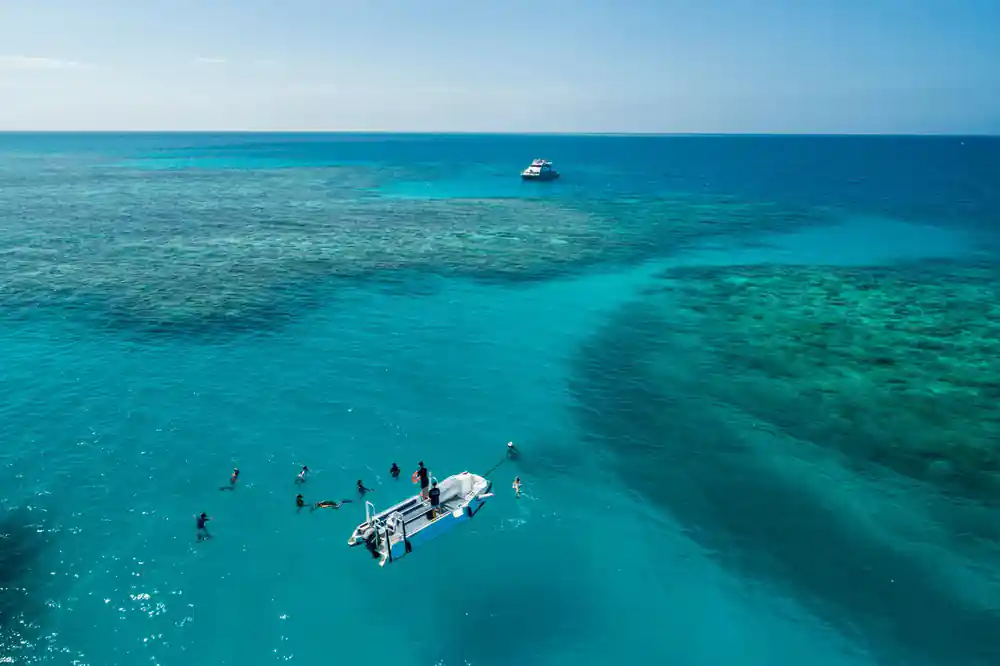
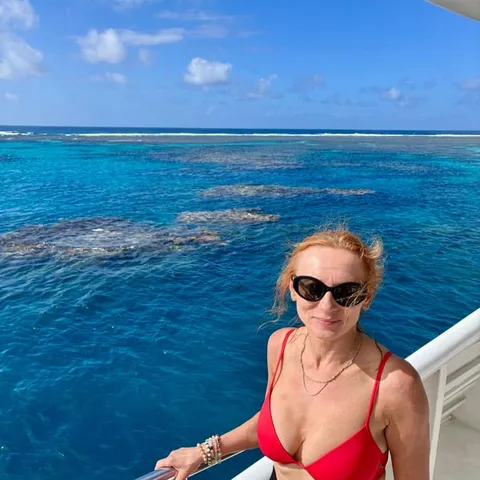
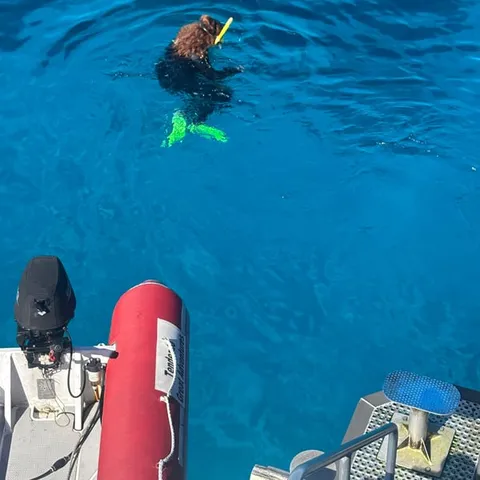
While marine stingers may be present throughout the entire year in tropical Queensland, the risk associated with these two types of potentially dangerous jellyfish are higher during the ‘marine stinger season’ that typically runs from November through to May.
A full-water day built around the reef's best-known sites
Things to check
On the water
- Getting there: the Moore Reef pontoon sits 47 km offshore on the Outer Reef.[5]
- Water temperature: average 24°C in winter and 29°C in summer.[9]
- Season: the dry months, roughly May to October, are the classic window for reef days.[1]
- Upolu Reef: a shallow sand cay on the featured cruise, good for a relaxed first snorkel.
The Reef Runs on Two Seasons
The Great Barrier Reef is not one single reef. It is a vast coral system that spans more than 2,300 kilometres along the northeast coast of Australia and includes some 3,000 individual coral reefs, 300 coral cays and 600 continental islands.[10] For anyone planning a first visit from Cairns, that scale is part of the wonder: every trip touches a different slice of an enormous living landscape.
Cairns itself runs on two clear rhythms. The dry season runs from roughly May to October and the wet season runs from roughly December to March.[1] Those two seasons shape what you will see above and below the water. The dry months bring sunny skies and low humidity, while the wet months are hot, humid and often punctuated by afternoon showers that keep the rainforest around Cairns green and lush.
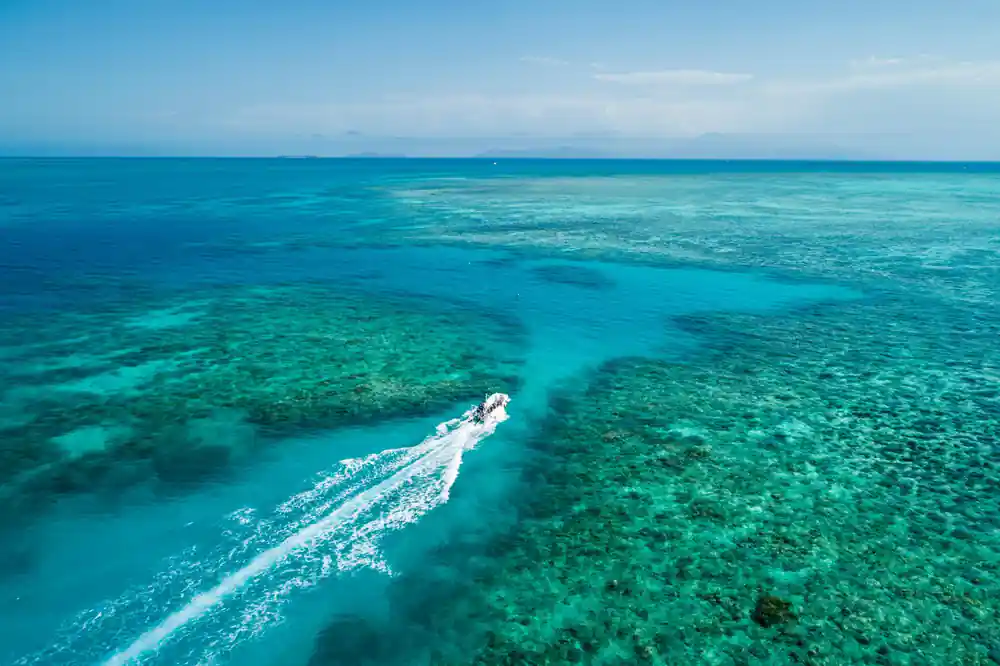
You also need a boat. Reef trips leaving from Cairns use the Reef Fleet Terminal at 1 Spence Street.[4] Some outer reef pontoons, like Moore Reef, sit 47 km offshore.[5] That is the simple geography behind the Cairns snorkeling season: a short harbour check-in, a comfortable crossing, and the rest of the day belongs to the reef.
The Drier Months
The dry season, from roughly May to October, is the classic time for a reef trip.[1] The dry months bring sunny skies, low humidity and comfortable daytime warmth, which makes time on the water feel easy. You may also find the outer reef at its clearest in these months, letting you see coral formations below before you even put your mask in.
The winter water is cooler than summer, but still very swimmable. The average water temperature on the reef off Cairns is 24°C in winter (June to August) and 29°C in summer (December to February).[9] If you visit in the dry season, a light wetsuit top or a stinger suit adds warmth without making you feel weighed down.
The drier months also work well for island day trips. Green Island sits 27 kilometres off Cairns and takes about 45 minutes to reach by boat.[11] Fitzroy Island is located 29 kilometres south-east of Cairns and is about 45 minutes away by ferry.[12] Both are good additions if you want a shorter crossing and a day with beach time as well as snorkeling.
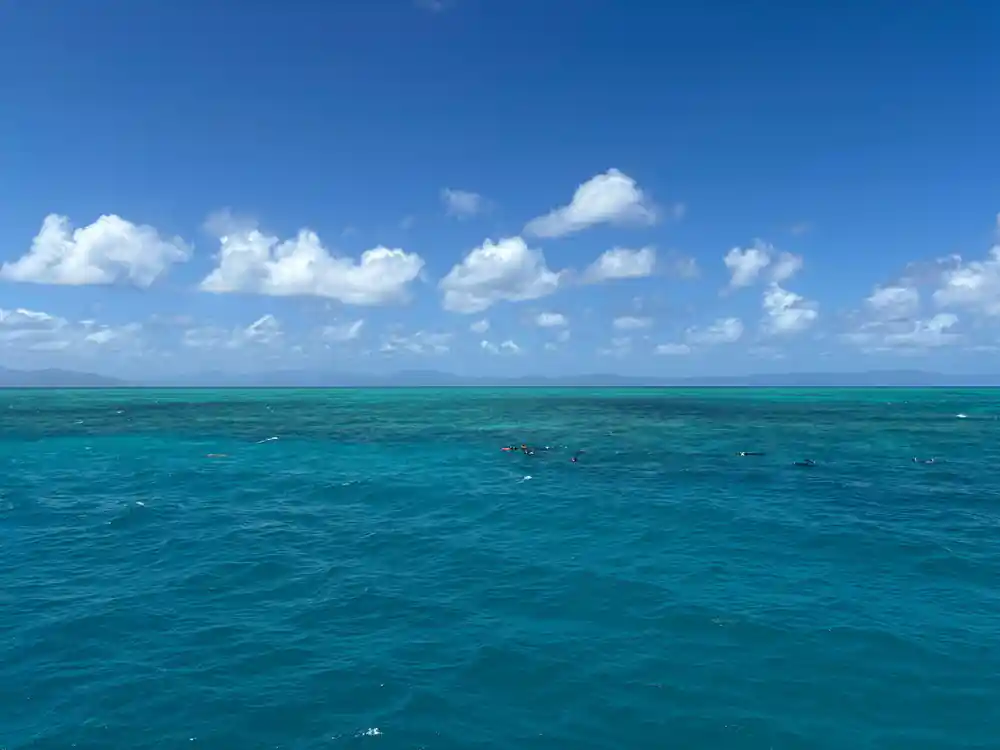
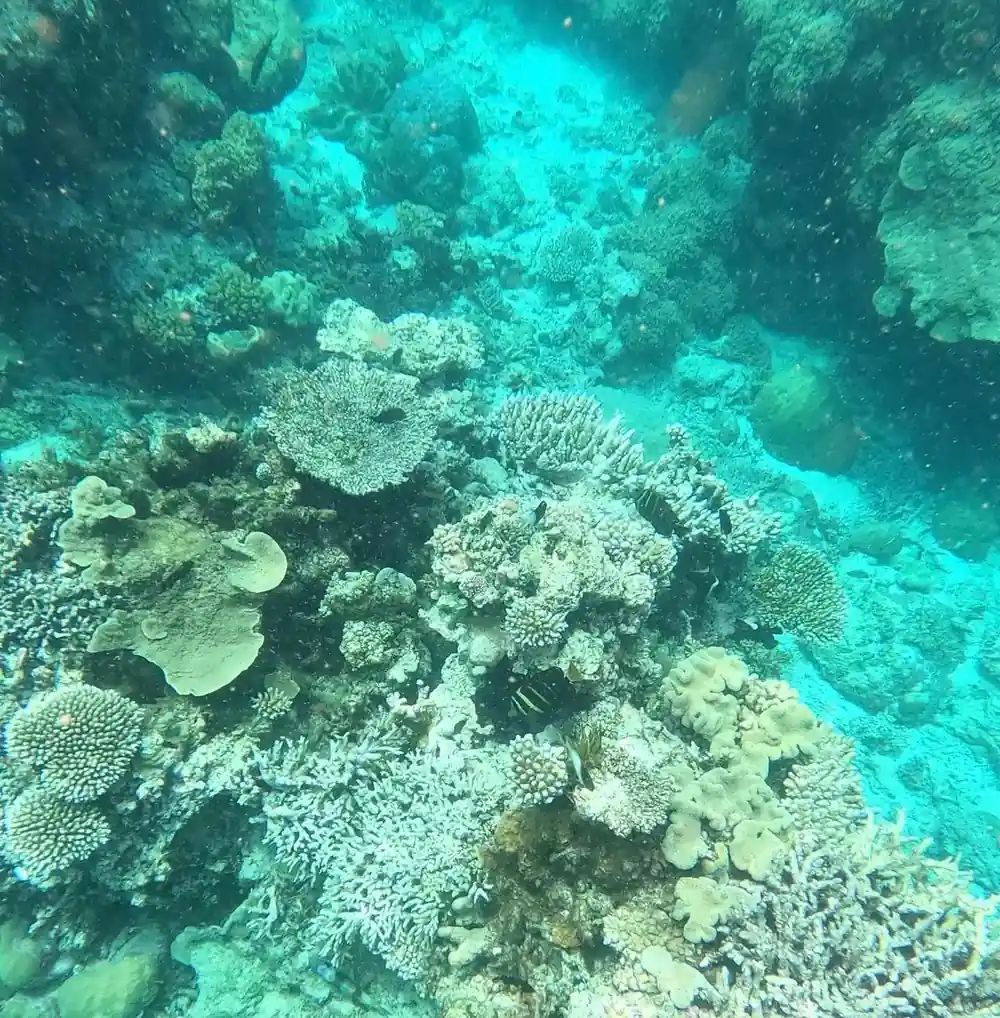
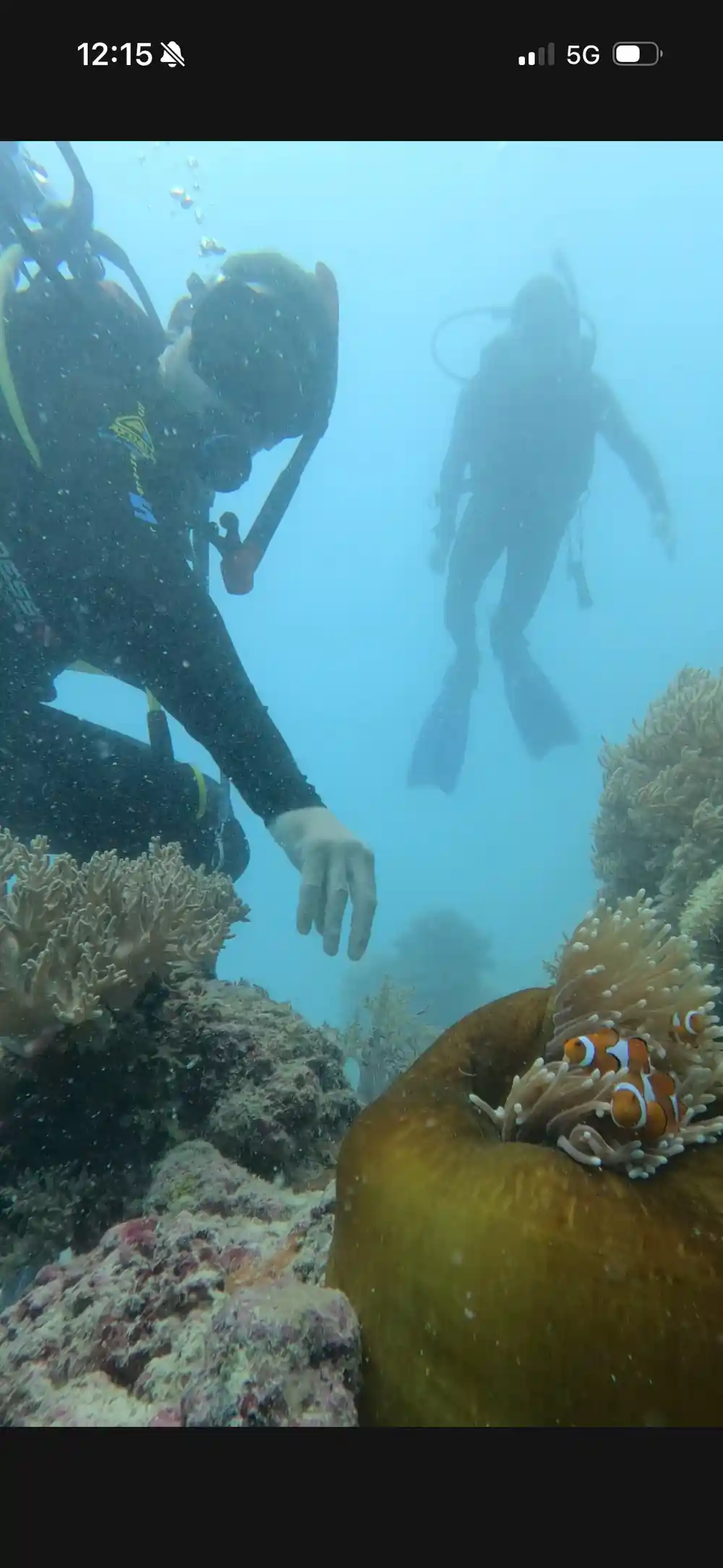
A quiet stretch of reef near Upolu Reef, where the boat slows for a drift snorkel.
The Wetter Months
The wet season, from roughly December to March, is a different kind of beautiful.[1] It brings warm, humid air and afternoon showers that keep the rainforest lush. The average water temperature on the reef off Cairns is 29°C in summer (December to February).[9] For many travellers, that warm water is a good trade for a little tropical rain.
Wet season also overlaps with the marine stinger season. The risk from potentially dangerous jellyfish is higher from November through to May, though marine stingers may be present throughout the year.[2] The practical answer is simple: wear a stinger suit, usually a thin lycra layer, whenever you get in the water during these months.
If you travel in the wet season, build some flexibility into your schedule. Morning trips tend to fit around the afternoon shower pattern, but weather can still shift quickly. The featured tour offers free cancellation up to 24 hours in advance and reserve now, pay later, so you can book with confidence and let the forecast guide your final plans.[3]
Stinger Season and the Lycra Suit
Stinger season is not a reason to avoid the reef. It is simply the time to change how you dress in the water. The marine stinger season in tropical Queensland typically runs from November through to May, and the risk associated with potentially dangerous jellyfish is higher during this period.[2]
A lycra stinger suit is the standard, affordable solution. It is thin enough to allow easy movement, covers your arms and legs, and also protects your skin from the tropical sun. Pair it with reef-safe sunscreen on your face, neck and hands, and you are ready for a long day in the water.
On the Outer and Coral Cay Snorkel and Dive Cruise, the crew helps you get oriented before you enter the water. The tour is led by a live tour guide in English and starts from US$202.[3] If the idea of stinger season worries you, remember that the tour can be cancelled for free up to 24 hours in advance, so you are never locked into a day you are not comfortable with.[3]
from US$202
Full-day outer reef and coral cay cruise from Cairns with an English-speaking live tour guide and free cancellation.[3]
Diving Alongside the Snorkelling
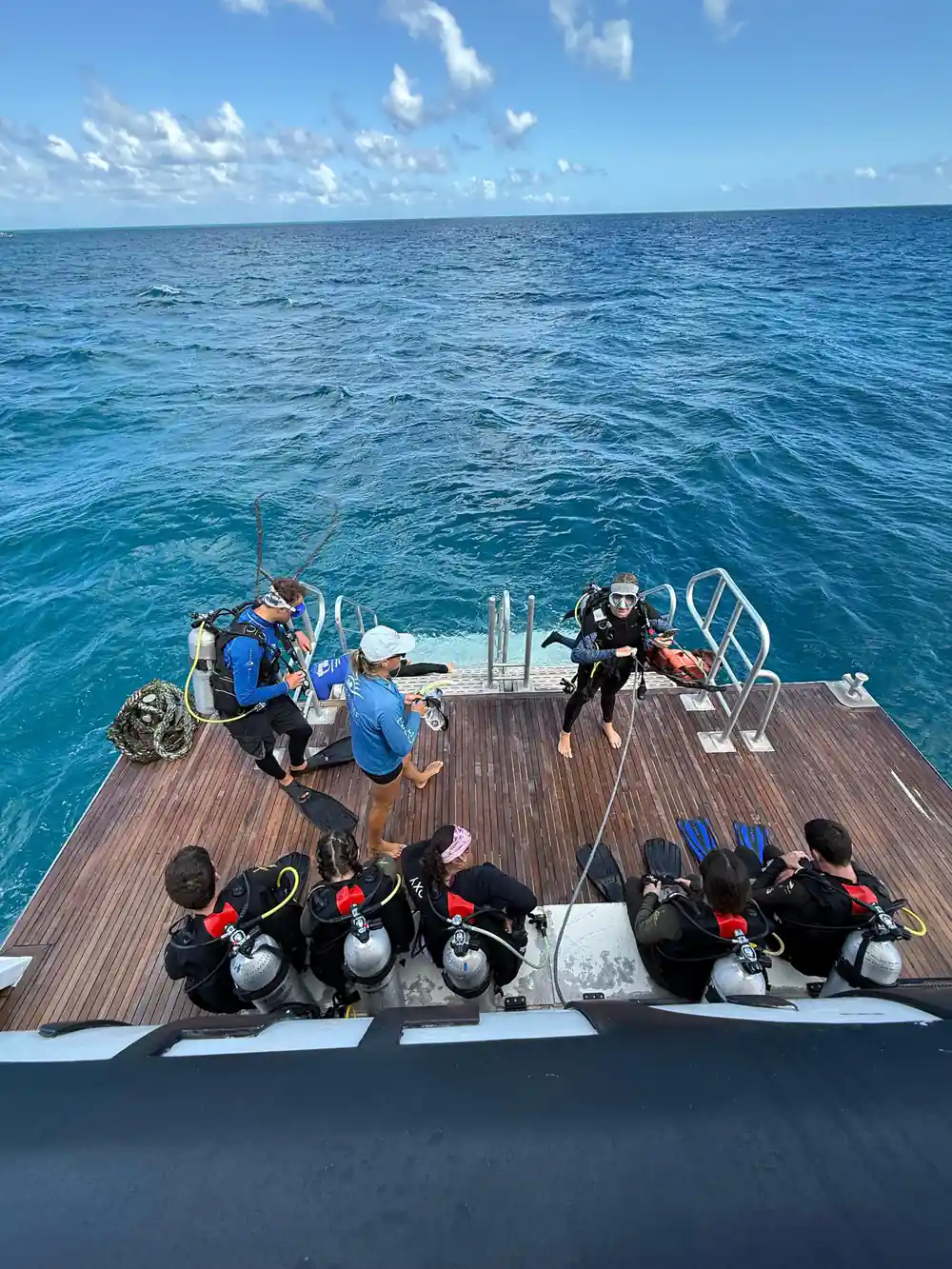
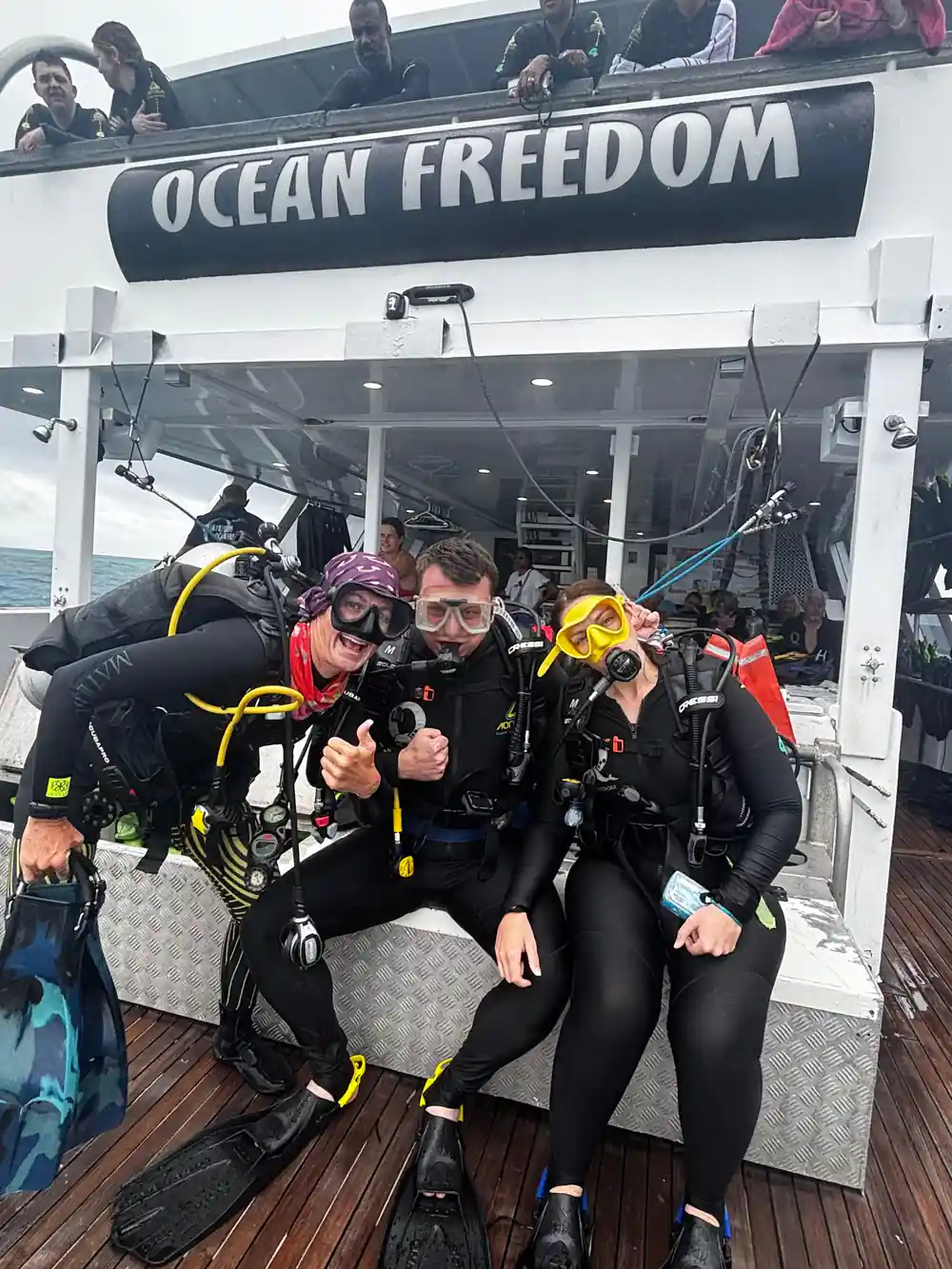
The Outer and Coral Cay Snorkel and Dive Cruise is built for mixed groups. Snorkellers and certified divers share the same catamaran, and the tour is described as both a snorkel and dive cruise.[3] The trip is arranged with a live tour guide in English, with a duration of 8.5 hours to 1 day depending on the option you choose.[3]
The route follows a natural loop: on foot to the catamaran, out to Upolu Reef, then to a Great Barrier Reef site, then back to Upolu Reef before returning to Cairns.[3] That means you get two different moods in one day. Upolu Reef is a low sandy cay with easy, sheltered entry, while the outer reef site feels more exposed and open.
This tour comes with strong traveller backing. It is rated 4.81 from 1,592 reviews, with a guide score of 4.9, transportation score of 4.8 and value for money score of 4.7.[3] If you are not a diver, you can simply snorkel. If you dive, ask about dive arrangements when you book, because this is a day that welcomes both approaches.[3]
Underwater at Upolu Reef
Upolu Reef, one of the stops on this cruise, is a small, low sand cay with shallow water around it.[3] It is exactly the kind of site that makes the Great Barrier Reef feel personal: a quiet sand cay surrounded by shallows, with coral gardens just a short swim from the boat.
The reef health story here is encouraging. According to the latest AIMS monitoring, region-wide average hard coral cover on the Northern Great Barrier Reef increased from 30.0% in 2025 to 35.1% in 2026.[13] For snorkellers, hard coral is the foundation of the whole scene: the more cover there is, the more hiding places for fish and the more colour to drift over.
During the drier months, the water often looks its best. The average water temperature on the reef off Cairns is 29°C in summer (December to February) and 24°C in winter (June to August).[9] Either way, a stinger suit or light wetsuit layer keeps you comfortable.
When Weather Changes the Plan
Reef trips are weather dependent, and that is part of travelling in the tropics. The sea can look calm at the harbour and rough on the outer reef, so good operators watch the conditions and may change a site if needed. On your cruising day, listen to the safety briefing and trust the captain's decision.
Give yourself a relaxed morning before the trip. Reef boats from Cairns depart from the Reef Fleet Terminal at 1 Spence Street.[4] The outer reef is not close to town: the Moore Reef pontoon sits 47 km offshore.[5] If the sea is lively, that is also the moment to be glad you packed seasickness tablets.
Build a buffer into your travel plans. The featured tour offers free cancellation up to 24 hours in advance, so you can wait for the forecast before making a final call.[3] A flexible approach is the best way to enjoy the Cairns snorkeling season, whatever the weather decides to do.
Reef and island stop distances
What you might pay for a reef day from Cairns
Adult from-prices in USD from GetYourGuide listings[3],[14],[15] and[6].
When to book your Cairns snorkeling trip
Plan your trip
Pick your season
The dry season runs roughly May to October; the wet season runs roughly December to March.[1] Decide which mix of weather and warmth suits you.
Choose your reef
Outer reef sites give you open-water coral. Coral cays like Upolu Reef add shallow sandbars and easy entry.
Pack for the water
Bring a lycra stinger suit, reef-safe sunscreen, a rash guard and something warm for the boat ride back.
Book the right trip
Look for a cruise with free cancellation and reserve now, pay later, like the featured Outer and Coral Cay tour.[3]
Leave a buffer
Weather can change the plan. Build in a flexible day before you fly home.
Get to the terminal
Cairns reef boats leave from the Reef Fleet Terminal at 1 Spence Street.[4]
Ready to choose your reef month? Book the Outer and Coral Cay cruise today.
from US$203Reserve now & pay later